Wadi Rum Visitor Guide: Jeep Tours, Camps, Packing and Timing
Plan a thoughtful visit to Wadi Rum with practical advice on Jeep outings, desert camps, overnight stays, packing, temperature shifts, photography and travel connections from Petra, Amman and Aqaba. Learn what to confirm before booking and how to experience Jordan’s protected desert landscape responsibly.
Why Wadi Rum matters
This Wadi Rum visitor guide is designed for travellers who want to understand the desert before deciding how long to stay, how to get there, and what kind of experience suits them. Wadi Rum is not simply a dramatic stop between Petra and Aqaba. It is a vast sandstone and granite landscape where open valleys, narrow canyons, natural rock arches, dunes, inscriptions and isolated mountains create a sense of scale that is difficult to find elsewhere in Jordan.
Often called the Valley of the Moon, Wadi Rum lies in southern Jordan near the Saudi Arabian border. Its visual character is shaped by deep red and ochre sand, weathered rock formations and long horizons that change colour throughout the day. The area has also been home to Bedouin communities for generations, and much of the visitor experience is connected to local knowledge, desert driving traditions, hospitality and the stories attached to particular formations.
Wadi Rum Protected Area is recognised by UNESCO for both its natural and cultural significance. The designation reflects not only its geology and desert ecosystems, but also evidence of long human presence, including petroglyphs, inscriptions and archaeological remains. Treat it as a living cultural landscape rather than an outdoor backdrop: stay on agreed routes, avoid climbing or touching fragile rock art, take litter with you, and follow local instructions at camps and sites.
For many itineraries, Wadi Rum provides a useful contrast to Petra. Petra is concentrated, architectural and physically demanding; Wadi Rum is spacious, quiet and best appreciated at an unhurried pace. It can be visited in a day, but an overnight stay changes the experience substantially because sunset, darkness, dawn and the early morning silence are among the desert’s strongest qualities.
Getting to Wadi Rum
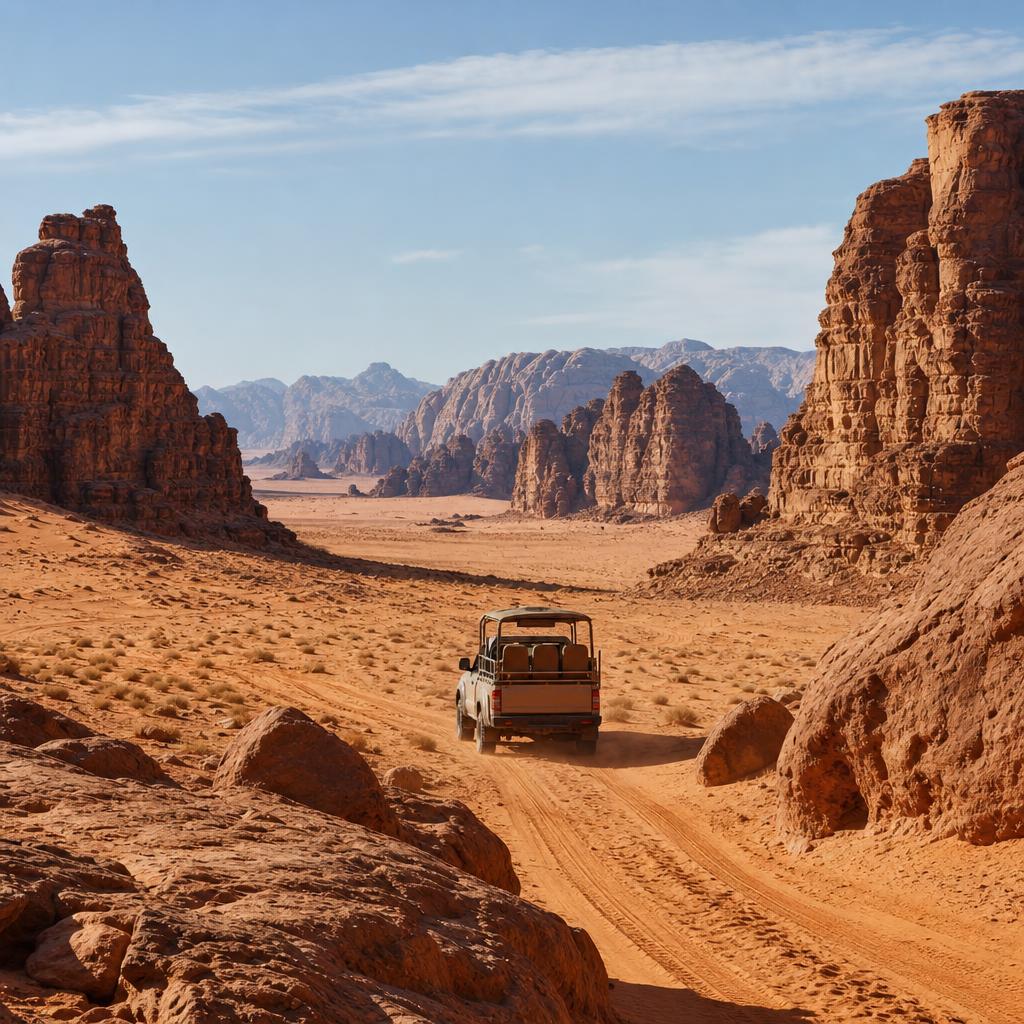
Most visitors enter through Wadi Rum Village or the visitor area near the protected area entrance, where arrangements, parking and local transport are commonly coordinated. Exact entry procedures, fees, operating arrangements and access rules can change, so confirm current information directly with the relevant protected-area authorities or your accommodation before travel.
Wadi Rum is usually reached by road from Amman, Petra, Aqaba or other points in southern Jordan. Private transport is particularly practical because the desert is not positioned on a high-frequency public transport corridor, and because arrival and departure times matter when you are coordinating a camp check-in, a sunset activity or onward travel.
From Amman, the drive is long enough that most travellers should plan an early departure, a sensible comfort break and a realistic arrival time. A dedicated private transfer from Amman to Wadi Rum can make sense for travellers who prefer direct road travel and want to avoid piecing together several connections. Before booking any service, confirm the route, vehicle type, waiting time, luggage capacity and whether desert activities or accommodation are separate arrangements.
Petra is the most common preceding destination. The road connection is straightforward, and a Petra to Wadi Rum private transfer is useful for travellers moving between the two places without needing to return to Amman. The timing deserves attention: Petra is often a full day on foot, so leaving immediately after a major visit can be tiring. Some travellers prefer a morning transfer after spending a second night in Wadi Musa; others leave Petra in the afternoon, reaching Wadi Rum in time to settle in before evening.
If you prefer to plan the two destinations as one sequence, review the details of this Petra and Wadi Rum trip and verify precisely what transport, overnight stays and activities are listed before committing. Package descriptions vary, and a transfer arrangement should not be assumed to include a Jeep excursion, guide, camp or entrance-related costs unless these are expressly stated.
Aqaba is the natural next stop for many people. The Red Sea city is within manageable driving distance and offers a change from desert temperatures and remote landscapes. This makes Wadi Rum a logical bridge between Petra’s archaeological sites and a few slower days by the coast.
Understanding the protected area
Wadi Rum is larger and more varied than first-time visitors often expect. It is easy to arrive imagining one central viewpoint, but the protected area consists of broad desert corridors and distinctive sites spread across a substantial landscape. Access beyond the main settlement generally involves local desert transport or an organised activity, rather than ordinary self-driving in a rental car.
The desert environment is beautiful but not forgiving of carelessness. Heat, wind, distance and poor visibility after dark can quickly complicate a simple plan. A reliable itinerary allows time for arrival procedures, vehicle changes, luggage handling and the possibility that weather affects visibility or driving conditions.
Respecting the place means more than avoiding litter. Do not remove stones, plants or artefacts. Do not carve names into rock, add graffiti, disturb wildlife or walk over inscriptions and engravings. Keep noise low around camps and viewpoints, particularly in the early morning and after dark. Small actions matter in a landscape that appears empty but contains fragile natural systems and irreplaceable traces of human history.
The desert also has working rhythms. Camps may have practical check-in windows, meal times and luggage arrangements. Local drivers may recommend changing a route according to wind, sand conditions, heat or daylight. Flexibility is valuable here: the best experience is not necessarily the longest list of stops, but a well-paced day with enough time to be present in the landscape.
Choosing a Jeep experience
A Jeep outing is the classic way to cover Wadi Rum’s widely spaced landmarks. These excursions are usually conducted in open or partially open four-wheel-drive vehicles, often with a local driver who knows the routes and conditions. They may range from a short circuit of well-known formations to a half-day or full-day exploration with walking stops, tea breaks or sunset viewing. What is included varies significantly, so ask specific questions rather than relying on labels such as “tour” or “full experience.”
Before reserving, clarify:
- The meeting point and whether collection is from Wadi Rum Village, the visitor area or your camp
- The planned duration and approximate start and finish time
- The sites or landscapes intended for the route
- Whether there is time for walking, climbing or simply stopping for photographs
- Whether water, meals, tea, blankets or other items are provided
- Whether the outing is private or shared
- The vehicle’s seating arrangement and shade coverage
- Whether sunset timing is included in the route or needs to be arranged separately
- What happens if strong wind, rain or poor visibility affects conditions
A Jeep excursion is not automatically a guided interpretation experience. Some drivers offer extensive commentary; others focus on transport between stops. If learning about geology, Bedouin culture, inscriptions or desert ecology matters to you, ask whether a qualified guide or detailed interpretation is available. Do not assume it is included.
Common stops can include sandstone arches, sweeping dunes, narrow passages, rock faces with ancient inscriptions, desert viewpoints and areas associated with film locations. The names and sequence of stops differ by operator and route. Rather than trying to “tick off” every famous formation, leave room for places that feel less staged: a short walk into a side canyon, a quiet ledge above a valley, or a tea stop where you can watch light move across the cliffs.
Jeep travel can be bumpy, dusty and exposed. It may not be ideal for travellers with severe back pain or those who are uncomfortable climbing in and out of raised vehicles. Tell your provider in advance about mobility needs, young children, pregnancy, medical concerns or bulky equipment. They may be able to advise on a more suitable route, but feasibility should never be presumed.
Beyond the Jeep: walking, climbing and slower exploration
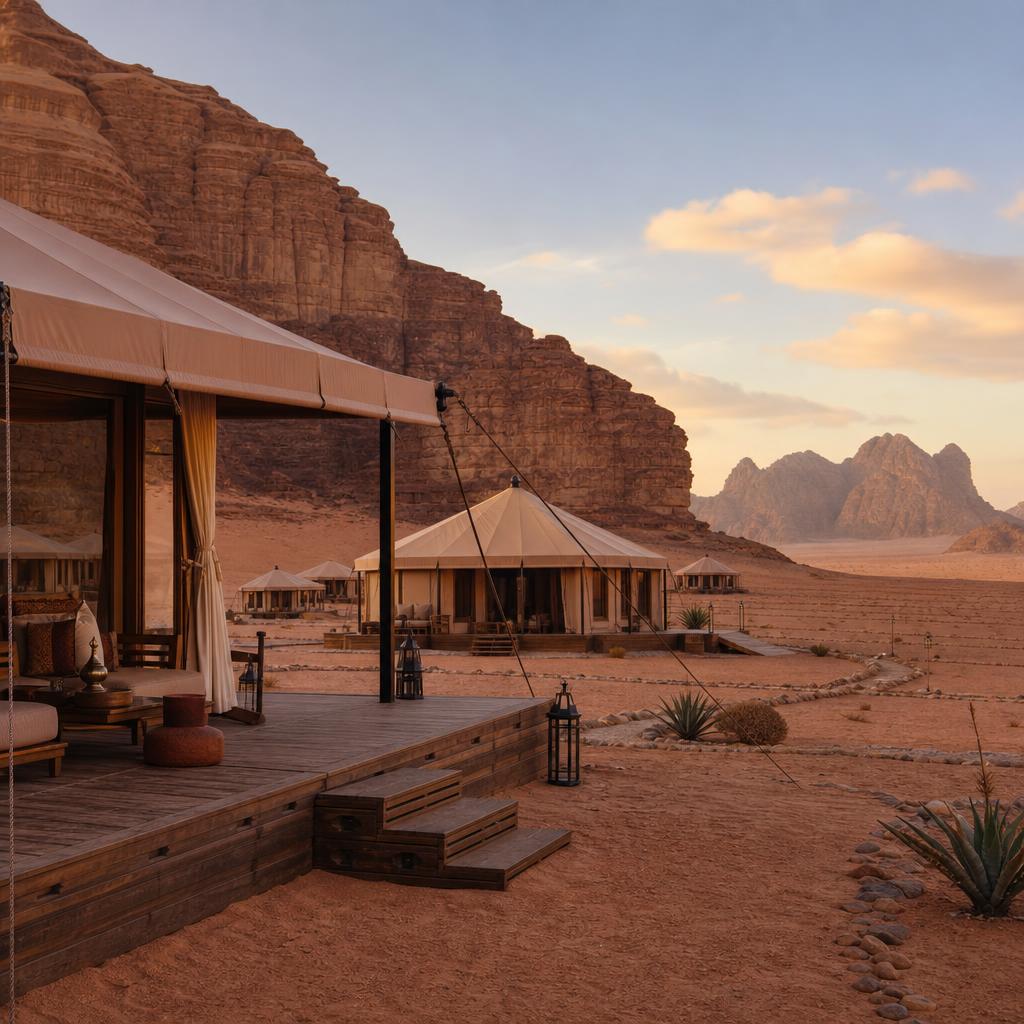
A vehicle is efficient, but Wadi Rum rewards time on foot. Even a short, easy walk away from the engine noise can reveal the texture of the sand, the smell of dry vegetation after a rare shower, and the extraordinary acoustics of enclosed rock corridors. Wear proper footwear and stay with the route or leader agreed for your activity; navigation in the open desert can be deceptive because landmarks look closer than they are.
Longer hikes, scrambling routes and technical climbing should be approached seriously. The rock formations have made Wadi Rum a respected destination for climbers, but heat, route-finding, loose terrain and remoteness require appropriate skill, equipment and local knowledge. Travellers without relevant experience should not attempt unmarked climbs independently. Check current conditions and arrange any specialist activity through appropriately qualified local professionals.
Camel rides are another traditional desert activity that may be offered around Wadi Rum. Duration, welfare standards, comfort and handling practices differ, so assess providers carefully. A short ride can be more comfortable for some people than a lengthy one, particularly if you have not ridden before. Again, do not assume an activity is part of a camp stay or transport booking unless the written booking details say so.
Camps: what an overnight stay is really like
Wadi Rum camps range from relatively simple Bedouin-style setups to more elaborate desert accommodation with private bathrooms, fixed tents or domes. The right choice depends less on photographs than on your expectations for privacy, comfort, electricity, heating or cooling, distance from other guests, and how much of a remote desert atmosphere you want.
When comparing camps, ask practical questions:
- Is the room or tent private, and are bathroom facilities private or shared?
- How far is the camp from the main village or visitor area?
- Is transport from the meeting point included, offered separately or something you must arrange?
- What power, charging and lighting is available, especially overnight?
- Is heating available in colder months, and is there shade or ventilation in warmer months?
- Are dinner and breakfast included in the stated rate?
- Can the camp accommodate dietary requirements with advance notice?
- What is the cancellation policy if weather or road conditions alter travel plans?
- Is the camp in a quiet location, or close to other camps and evening activity?
Desert camps are not urban hotels transplanted into sand. Water use may be limited, Wi-Fi can be inconsistent, dust can enter even well-maintained rooms, and sound travels across open ground. These are not necessarily shortcomings; they are part of staying in a remote landscape. Still, travellers who need dependable connectivity, climate control or easy access to services should choose carefully and communicate needs before arrival.
An overnight stay is especially worthwhile for first-time visitors because it gives you the two most evocative light periods without rushing. After day visitors have left, the desert becomes quieter. Moonless nights can reveal a remarkable number of stars, although visibility depends on weather, haze and nearby lighting. At dawn, the air is often still cool and the cliffs shift from muted grey to rose, gold and red.
If you are deciding between one night and two, one night works well for a broad introduction: arrive, take an afternoon or sunset activity if arranged, sleep in the desert, then explore or depart the following day. Two nights suit travellers who want a slower rhythm, a fuller Jeep route, a hike, extra photography time or a rest day between busy Petra and Aqaba. A day visit is possible, but it usually misses the most atmospheric hours.
Day visit or overnight: how to decide
Choose a day visit if your schedule is tight, you are travelling in a season when an overnight desert stay does not appeal, or you mainly want to see the major landscapes from a vehicle. Build in enough time for a proper route rather than arriving late and expecting to see Wadi Rum at its best in a hurried hour or two.
Choose one overnight if Wadi Rum is a priority but your Jordan itinerary is compact. This is the best balance for many travellers. You have time for late-afternoon light, dinner, a night away from city noise, sunrise and some exploration before continuing onward.
Choose two nights if you value unstructured time. Desert landscapes improve when you stop trying to optimise every minute. A second morning gives you room for a longer walk, a later breakfast, an additional route, or simply a chance to sit outside without watching the clock.
Travellers combining destinations should avoid scheduling Wadi Rum as an afterthought. Petra’s main route can be demanding, while Wadi Rum benefits from arriving before dark and with enough energy to enjoy the setting. A Petra and Wadi Rum travel package may be useful for comparing itinerary structures, but read its current inclusions carefully rather than assuming every activity, meal or overnight element is covered.
Packing for the desert
Packing for Wadi Rum is about sun, dust, shifting temperatures and comfort in vehicles as much as it is about desert style. You do not need specialist expedition gear for a standard visit, but a few well-chosen items make a major difference.
Bring:
- A refillable water bottle and enough water for your activity, while confirming what your camp or provider supplies
- Light, breathable layers that cover shoulders and legs for sun protection
- A warm fleece, insulated layer or jacket for evening and early morning, especially outside the hottest months
- Closed-toe shoes with good grip for sand, rock and uneven ground
- Sunglasses and a brimmed hat or scarf that stays secure in the wind
- Sunscreen and lip balm
- A small daypack for water, camera gear and spare layers
- A headlamp or compact torch for walking around camp after dark
- A power bank, since charging access can be limited or shared
- Tissues, hand sanitiser and any personal medication you may need for a full day away from shops
- A protective bag or cloth for cameras and electronics in dusty conditions
Avoid relying on sandals alone if you plan to walk on rock or join a Jeep outing. Sandals can be useful around a camp in warm weather, but closed footwear is generally safer for exploring. Also avoid loose items that can blow away from an open vehicle; hats, maps and lightweight scarves need to be secured.
There is no single “desert temperature.” Wadi Rum can be intensely hot under direct sun, then notably cool soon after sunset. Winter nights can feel cold, and shoulder seasons can still bring a wide day-to-night swing. Wind makes exposed rides feel cooler and can carry sand into eyes, bags and clothing. Check the forecast close to departure, but pack for a broader range than the midday temperature suggests.
Timing, seasons and weather
Spring and autumn are popular because daytime conditions are often more comfortable for exploring, but they can also be busy periods. Summer brings strong heat, making early morning and late afternoon activities more sensible than prolonged midday exposure. Winter can offer crisp, clear days and beautiful light, but nights may be cold and weather can occasionally disrupt plans.
The best timing is less about finding a perfect month than matching your trip to your tolerance for heat, cold and crowds. In hot weather, prioritise a sunrise start, shaded breaks and a long pause around the middle of the day. In colder weather, make sure your camp setup and clothing are suitable for evenings outdoors. After rain, desert conditions can change quickly; follow local advice on roads, walking routes and any temporary restrictions.
Sunrise and sunset are the most photogenic and comfortable periods, but they are not interchangeable. Sunset tends to be social, with several vehicles converging at familiar viewpoints. Sunrise can feel quieter, particularly if you step outside your camp before breakfast or arrange an early activity. The exact quality of light depends on cloud, dust, haze and the direction of surrounding cliffs, so allow for a little luck rather than expecting the same images you have seen online.
Photography without rushing the landscape
Wadi Rum is generous to photographers, but it can also tempt people into treating every stop as a quick content opportunity. The strongest images often come after you have put the camera down for a few minutes and noticed the relationship between a shadowed canyon, a tiny human figure and an enormous cliff.
For landscape photography, a wide lens is useful for dunes and open valleys, while a short telephoto lens can isolate layered ridges and compress distant formations. A phone can also produce excellent results in low-angle light if you keep the lens clean and avoid shooting directly into harsh midday sun. Dust is the main practical challenge: change lenses sparingly, keep equipment in a sealed bag when riding, and use a blower or soft cloth rather than wiping grit across glass.
For night-sky photography, check the moon phase and ask whether the camp has bright exterior lighting. A tripod, manual camera controls and warm clothing are more important than expensive equipment. Be considerate around other guests: avoid shining headlamps into tents, keep voices low, and do not enter private camp areas to seek a foreground composition.
If photographing people, especially local residents, ask first. The same applies to staff, drivers and other guests. A respectful conversation will usually create a better image and a better travel experience than taking a distant photograph without acknowledgement.
Pairing Wadi Rum with Petra and Aqaba
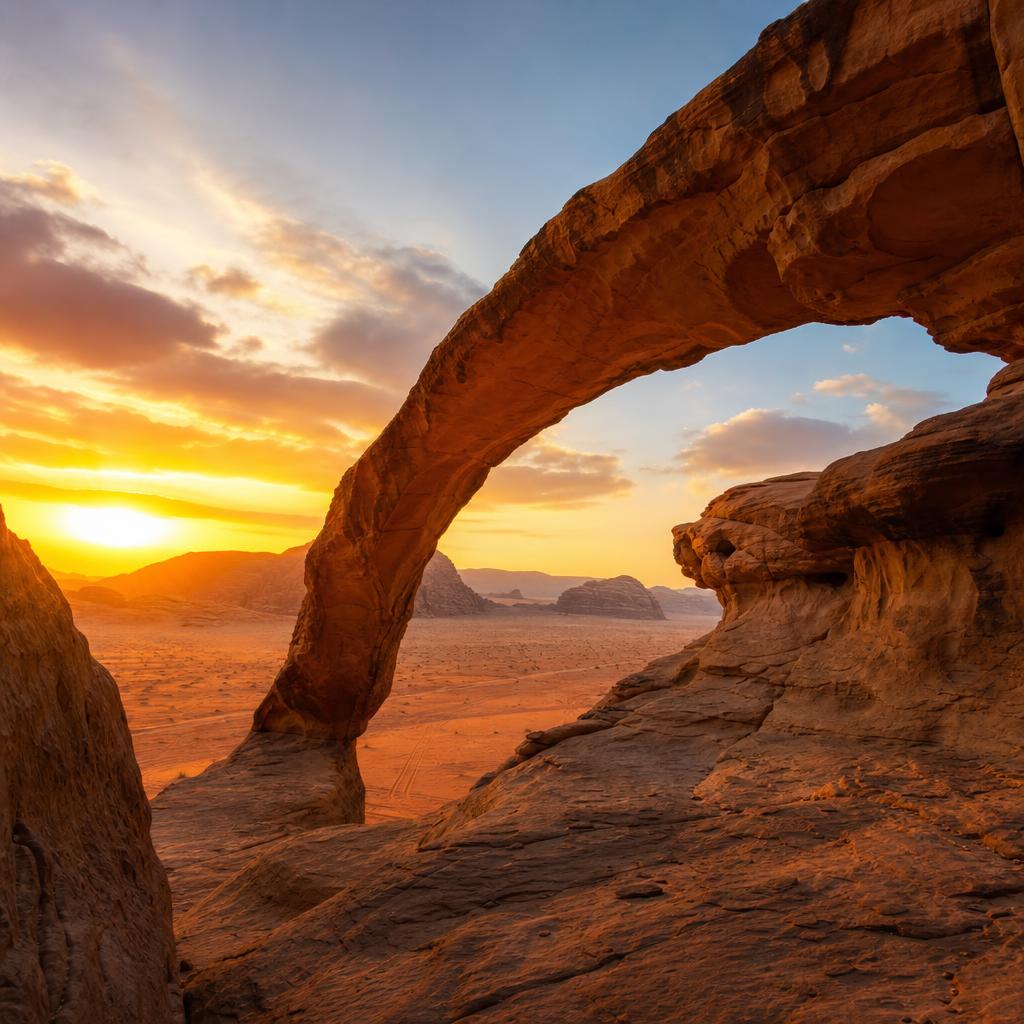
The Petra-Wadi Rum-Aqaba route is one of Jordan’s most satisfying combinations because each place offers a distinct travel rhythm. Before setting the sequence, use the Petra visitor guide to estimate the walking time and number of nights you need. Petra is a major archaeological landscape explored largely on foot. Wadi Rum is expansive and elemental, with much of the movement by desert vehicle or on short walks. Aqaba offers sea air, restaurants, urban services and access to Red Sea activities.
A practical sequence is Petra first, then Wadi Rum, then Aqaba. This avoids backtracking for many southern Jordan itineraries and lets the journey gradually shift from stone city to open desert to coast. It also gives travellers a natural recovery point in Aqaba after early starts and active days.
For a short itinerary, consider whether you would rather have a fuller Petra visit and one Wadi Rum night, or a faster overview of both with more time in Aqaba. Trying to do Petra, Wadi Rum and Aqaba all in two rushed days usually reduces each destination to a series of transfers. A three-day Petra, Wadi Rum and Aqaba itinerary can provide a reference point for how these destinations may be sequenced; verify all current details, travel times and inclusions directly before booking.
Build buffers into onward travel. A desert camp departure may involve a ride back to the village or visitor area before your road transfer begins. Sunrise activities, breakfast timing and luggage collection can all add time. If you have a flight, diving reservation or fixed appointment in Aqaba, do not plan on a minute-by-minute connection.
Final planning advice
Wadi Rum is best approached with a clear plan and a little room for the unexpected. Decide first whether your priority is a Jeep route, a desert night, photography, walking, cultural context or simply a break from city travel. Then choose transport and accommodation around that priority rather than booking disconnected elements at the last minute.
Confirm the practical details in writing: meeting locations, activity duration, camp transfers, meals, private versus shared arrangements, what to bring, and the policy for weather changes. Check official current information for protected-area access and any requirements that may affect your visit. Arrive before dark if possible, carry more water than you think you will need, and give the desert enough time to become more than a scenic drive-through.
The most memorable Wadi Rum visits are rarely the most crowded or complicated. They are the ones that leave space for the cold air before sunrise, the sound of wind across sand, a long view from a sandstone ridge, and the gradual realization of how large the desert really is.