Aqaba Travel Guide: Beaches, Snorkeling and How to Add Aqaba to Your Jordan Trip
Plan a rewarding Red Sea stop with this Aqaba travel guide, covering beaches, snorkeling, diving, food, weather, transport and practical ways to combine Aqaba with Wadi Rum, Petra and the Dead Sea on a Jordan road trip.
Why Aqaba Belongs on a Jordan Itinerary
Aqaba is Jordan’s only coastal city, set at the country’s far southern tip on the Red Sea. It offers a marked change of pace after the rose-red passages of Petra, the open sandstone landscapes of Wadi Rum and the historic density of Amman. Here, the focus shifts to warm water, reefs, seafood restaurants, palm-lined streets and the particular pleasure of ending a road trip with time near the sea.
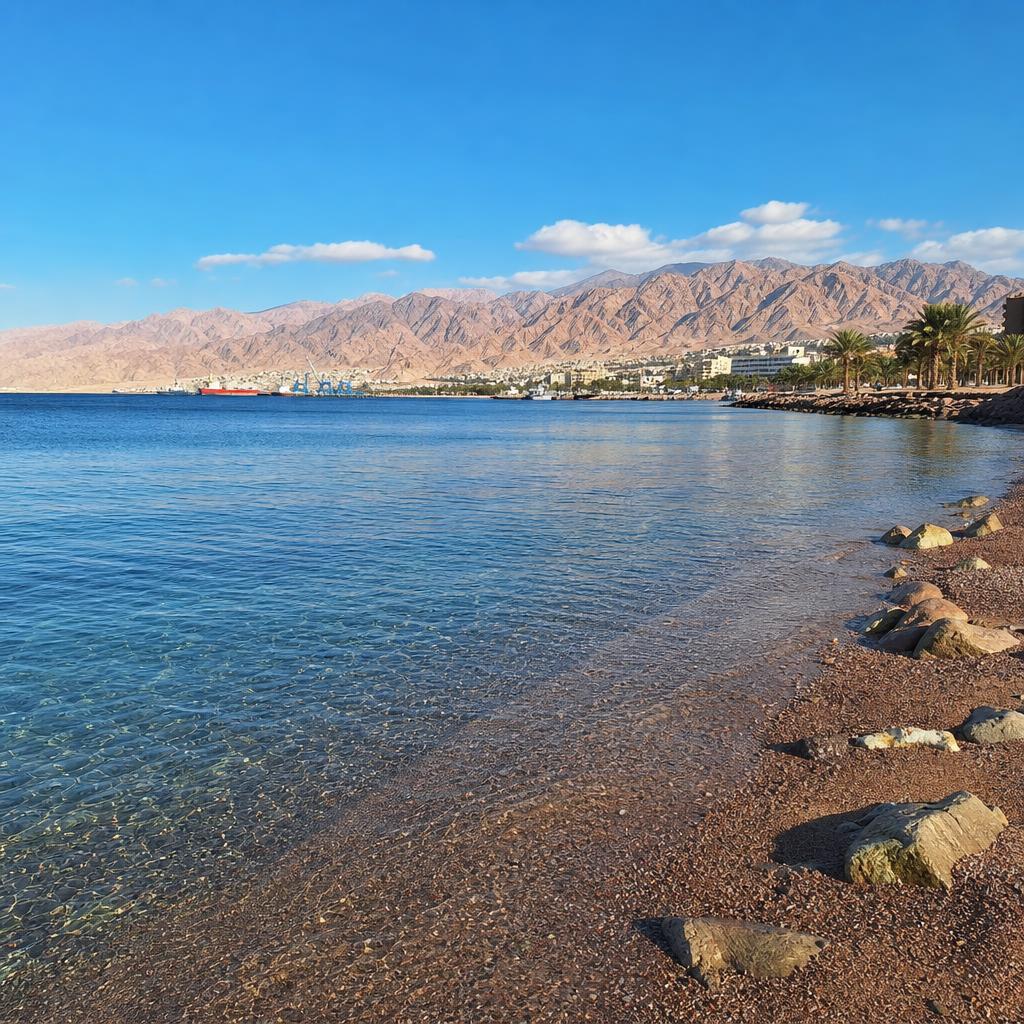
For many visitors, Aqaba works best as a restorative final stop rather than a destination to rush through. The city is compact enough to navigate without the intensity of a capital, but it has enough local life to feel like a working Jordanian port city rather than a purpose-built resort. Its waterfront faces the narrow Gulf of Aqaba, with Egypt, Israel and Saudi Arabia all close across or beyond the water. That geography gives the city a distinctive horizon, especially in the early morning and around sunset.
This Aqaba travel guide explains what to expect from the city and its coastline, how snorkeling and diving fit into a wider Jordan trip, where to eat, how long to stay and the most practical ways to combine Aqaba with Wadi Rum, Petra and the Dead Sea.
The character of Aqaba: city, coast and desert edge
Aqaba is not a single strip of beach hotels. Its appeal comes from the meeting of several landscapes: the Red Sea, dry mountain ranges, desert roads, a commercial port and a low-rise urban center with markets, cafés, bakeries and family-run restaurants. The old city area is where visitors can get a better sense of everyday Aqaba, while the southern coast has many of the better-known beach and reef access points.
The pace is generally more relaxed than Amman, although the city can feel lively in the evenings, on weekends and during holiday periods. Families stroll along the waterfront, local diners fill restaurants after sunset and cafés stay active late. The atmosphere is sociable rather than nightlife-led. Travelers looking for large clubs or a heavily resort-oriented scene may find Aqaba quieter than other Red Sea destinations, while those who want a calm, distinctly Jordanian coastal stop will often appreciate its character.
The weather and strong sun shape daily routines. Mornings are good for sea activities, midday often calls for shade or a long lunch and evenings are ideal for a waterfront walk or dinner. It is worth packing clothing for both beach time and city life: modest, light layers are useful when walking away from hotel or private beach areas, while a cover-up is practical for moving between the water and restaurants.
Aqaba is also a convenient geographical bridge. Wadi Rum lies inland to the northeast, Petra is further north in the mountains and the King’s Highway and Desert Highway connect the south with central Jordan. That makes the city an easy addition to a private road trip rather than a detour requiring a separate itinerary.
Aqaba beaches: what to expect
Aqaba’s coastline is relatively short, but it provides several different beach experiences. The central waterfront is pleasant for walking and taking in views, while many travelers choose the southern coast for swimming, snorkeling, or a quieter beach day. Some areas are associated with hotels, beach clubs, dive centers, or designated public access points, so the facilities, entry arrangements, changing areas and beach conditions can vary considerably from place to place.
Before setting out, decide what matters most for the day. A family with children may prioritize shade, toilets, calm shallow water and easy parking. Snorkelers may care more about reef proximity, water entry, equipment rental and whether boats use the same section of coast. Travelers seeking a simple swim may prefer a sandy area over a rocky shoreline. Conditions can also change with wind, currents, seasonal demand and maintenance, so ask locally or check directly with the venue or operator before committing to a plan.
The southern shoreline is often the more practical choice for people hoping to spend serious time in the water. It is also where visitors should be especially mindful of the marine environment. Coral is fragile and a good beach day means avoiding contact with reef formations, never standing on coral, securing loose items and taking all rubbish away. Reef-safe sun protection, rash guards and careful fin use can reduce damage in shallow areas.
Do not assume every attractive stretch of coast is suitable for entering the water. Some sections may have boat traffic, rocky access, limited facilities, or rules designed to protect marine habitats. Choosing an established access point and following local guidance is usually the safest approach.
Snorkeling in Aqaba and the Red Sea
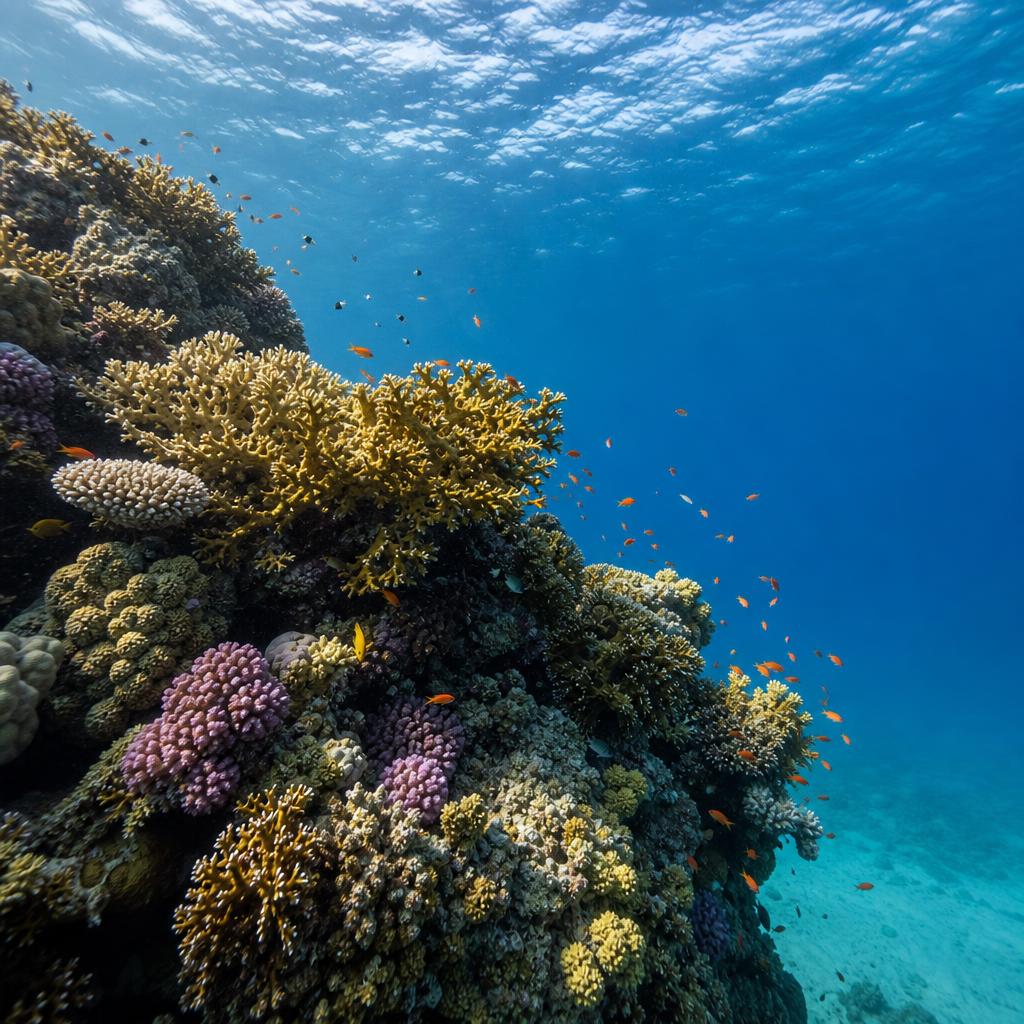
The Red Sea is the reason many travelers add Aqaba to their Jordan itinerary. Clear water, coral formations and a variety of fish make the coast attractive to both first-time snorkelers and experienced underwater travelers. Visibility and sea conditions are never guaranteed, but Aqaba can offer rewarding snorkeling without needing to build an entire holiday around diving.
The most important practical point is to match the site to your confidence level. Some places allow relatively easy shore entry; others may involve uneven rocks, deeper water, or conditions better suited to confident swimmers. If you are new to snorkeling, ask about water depth, current, entry and exit points and whether buoyancy aids are available. Children and weaker swimmers should be supervised closely, even in apparently calm water.
A basic snorkeling kit usually includes a well-fitting mask, snorkel, fins if appropriate for the site and sun protection. A rash guard can be more useful than relying only on sunscreen, particularly when floating for long periods. Bring drinking water and avoid entering the sea if you are dehydrated or feeling unwell after a long drive through the desert.
The best underwater etiquette is simple:
- Keep a respectful distance from coral, fish, turtles and other marine life.
- Do not feed fish or collect shells, coral fragments, or marine souvenirs.
- Avoid touching the seabed, even when taking photographs.
- Use a flotation aid if it helps you remain horizontal and away from the reef.
- Check sea conditions before entering, particularly on windy days.
- Follow instructions at beaches and from qualified local providers.
Some visitors choose a boat-based outing, while others prefer shore snorkeling. Neither is automatically better. Boat trips can reach different reef areas, but shore access may suit travelers with limited time or those who want a flexible half-day. In either case, confirm what is provided, how long you will be on the water, what safety measures apply and whether the outing is suitable for your swimming ability. Activity arrangements, access conditions and operator offerings can change, so rely on current direct information rather than old online listings.
Diving: a worthwhile addition for certified and beginner travelers
Aqaba is also Jordan’s principal diving destination. Its coastal waters include reef sites, underwater structures and marine habitats that appeal to certified divers. For travelers who already dive, Aqaba can be a natural extension to a Petra and Wadi Rum journey. For beginners, introductory experiences and training options may be available through local dive providers, but the exact format, medical requirements, certification pathway and conditions should always be confirmed directly.
Divers should plan conservatively around travel days. Long drives, heat, desert activities and early departures can all affect energy levels. If you intend to fly after diving, follow the guidance of your dive professional and the relevant training organization regarding surface intervals. It is wiser to leave time in your itinerary than to treat underwater activities as an afterthought squeezed between transfers.
Even non-divers can enjoy Aqaba’s underwater world. A snorkeling morning, a glass-bottom boat option where available, or simply a relaxed beach afternoon can provide the Red Sea element without requiring certification. The key is not to overbook the coast. Aqaba is most enjoyable when there is room to slow down.
Food in Aqaba: seafood, Jordanian cooking and casual evenings
Aqaba’s dining scene is one of the city’s understated pleasures. Being on the coast means seafood features prominently, often alongside the Jordanian dishes found across the country. Grilled fish, shrimp, calamari and mixed seafood platters are common choices, but travelers should not overlook mezze, hummus, mutabbal, grilled meats, salads, lentil soup and fresh flatbread.
For a local-feeling evening, eat in or near the city center rather than limiting yourself to hotel dining. Casual restaurants can be especially busy after dark, when the heat eases and residents come out to meet friends and family. Ordering several shared plates is a good way to try more than one dish, particularly if your group includes both seafood lovers and travelers who prefer meat or vegetarian food.
Freshness matters with seafood, so choose restaurants that appear busy and well maintained and ask what has been prepared that day. If you have allergies, dietary restrictions, or concerns about preparation, communicate them clearly before ordering. Arabic terms for common ingredients can be useful, but restaurant staff in tourist-facing areas may also speak English.
Aqaba is a good place to enjoy a deliberately unhurried dinner. Start with cold mezze, order grilled fish or another main dish and finish with tea, Arabic coffee, or a sweet pastry. The city is not about chasing a formal culinary scene; it is about simple, generous food after a day in the sun.
How many days should you spend in Aqaba?
For many first-time visitors, two nights is the most balanced stay. It allows one full day for snorkeling, diving, or the beach, plus time for a relaxed arrival evening and a coastal dinner before departure. This works particularly well after an overnight stay in Wadi Rum, when travelers often welcome a shower, a comfortable bed and an unstructured afternoon.
One night can work if Aqaba is only a brief Red Sea stop. In that case, arrive early enough to enjoy the coast before sunset, sleep in the city or along the coast, then leave the following day. It is a practical solution for short itineraries, though it may feel rushed if you want a proper water activity.
Three nights or more makes sense for travelers who want several dives, a slower beach stay, recovery time after a packed route, or a combination of sea time and city exploration. Aqaba can also be a useful base for families who do not want to change hotels every night.
A useful rule is to consider your overall travel rhythm. Jordan rewards efficient routing, but it is not a destination that needs to be raced through. If your itinerary already includes Amman, Jerash, the Dead Sea, Petra and Wadi Rum, Aqaba provides a natural pause at the end. For route inspiration, see this practical seven-day Jordan itinerary, then adjust the number of nights according to your interests and arrival or departure plans.
Adding Aqaba after Wadi Rum
The Wadi Rum-to-Aqaba connection is one of the easiest and most logical additions to a southern Jordan trip. The journey takes travelers from desert camps and sandstone valleys to the sea, creating one of the country’s strongest landscape contrasts in a single day. After a night in Wadi Rum, many people prefer to leave after breakfast, travel south to Aqaba, check in and spend the rest of the day by the water or in town.
This order has practical advantages. Wadi Rum activities can be dusty, sunny and physically tiring, while Aqaba gives you time to reset. You can use the afternoon for a swim, a slow meal, or simply rest before an early snorkeling or diving start the next morning. It also avoids trying to force a Red Sea stop into the same day as a long Petra transfer.
If your main goal is to combine the two destinations efficiently, explore this Petra and Wadi Rum road-trip route as a planning foundation. Aqaba can be added as the coastal conclusion, with transport timed around your preferred camp departure and hotel check-in arrangements. Do not assume that a desert stay includes a particular transfer or activity; confirm every element with the relevant accommodation or provider.
Aqaba after Wadi Rum is especially appealing from autumn through spring, when visitors may enjoy comfortable sightseeing and water temperatures that remain attractive for many travelers. In hotter months, the coast can feel even more welcome after the desert, although midday heat should still be taken seriously.
Combining Aqaba with Petra
Petra and Aqaba make a rewarding contrast: one is a mountain-carved archaeological landscape, the other a Red Sea city focused on water and rest. The route between them is straightforward by Jordanian road-trip standards, but it still deserves sensible timing. Petra is best experienced with an early start and plenty of walking, so most travelers benefit from keeping the transfer to Aqaba on a separate day or leaving after a second Petra morning.
A common southbound sequence is Amman or the Dead Sea, then Petra, Wadi Rum and Aqaba. This minimizes backtracking and lets the itinerary build naturally from historical sites to desert to sea. A northbound version is also possible, particularly if flight logistics or accommodation plans make Aqaba a better starting point. The best sequence depends on your arrival point, number of days, appetite for driving and whether you want your trip to end with relaxation or sightseeing.
For a compact, pre-shaped example, review the three-day Petra, Wadi Rum and Aqaba experience. Read the current itinerary details carefully before booking, as accommodation, inclusions, timing and activity arrangements should be verified directly.
Travelers with more time should resist treating Aqaba as merely a late-night stop after Petra. A short but properly planned coastal stay gives the Red Sea portion of the trip real value. Even one full morning on the water can change the feel of an otherwise archaeology-and-desert-focused itinerary.
Adding the Dead Sea to an Aqaba route
The Dead Sea and Aqaba are often paired because they offer two very different water experiences. The Dead Sea is about floating, mineral-rich landscapes, resort downtime and dramatic views; Aqaba is about swimming, reefs, snorkeling and sea-based activities. Together, they create a varied Jordan itinerary without repeating the same kind of beach stay.
A common route connects the Dead Sea with Petra, Wadi Rum and Aqaba, usually over several days. This is more enjoyable when transfers are broken up with overnight stays rather than treated as a series of long drives. Petra needs proper walking time, Wadi Rum benefits from an overnight desert experience and Aqaba deserves at least one unhurried day.
This four-day Petra, Wadi Rum, Aqaba and Dead Sea route shows how these destinations can fit together. Check the provider’s current details for the exact route, accommodation category, transport, activities and any exclusions before making plans.
If you are choosing between the Dead Sea and Aqaba on a short trip, think about what you want from the water. Choose the Dead Sea for a distinctive landscape and quiet resort-style pause. Choose Aqaba for conventional swimming, snorkeling, seafood and a more urban coastal setting. If your itinerary allows both, give each destination enough time to feel purposeful.

Weather and the best time to visit Aqaba
Aqaba is warm for much of the year, with a dry desert climate moderated by the sea. For the wider route beyond the coast, compare the best time to visit Jordan across the country’s different elevations and regions. Summer can be intensely hot, especially in the middle of the day, while winter is milder and can be pleasant for sightseeing, walking and many water activities. Spring and autumn are often popular because daytime conditions are generally more comfortable for combining the coast with Petra and Wadi Rum.
Water temperature, wind, visibility and swimming comfort vary through the year. Travelers interested in snorkeling or diving should check current local conditions close to departure rather than relying on broad seasonal assumptions. A day that is excellent for a city walk may be windier than expected for a boat trip, while a very hot summer day may call for an early start and a shaded afternoon.
In all seasons, plan around the sun. Wear a hat, use sun protection, carry water and avoid scheduling a demanding desert transfer immediately after a long day in the sea. Even travelers accustomed to hot climates can underestimate the combined effect of dry air, bright reflection from water and a full itinerary.
Getting to and around Aqaba
Aqaba is connected to the rest of Jordan by road and by domestic air links, though the most suitable option depends on your route, budget, luggage and travel dates. Road travel is often the most flexible choice for visitors combining several destinations, because it allows direct transfers between hotels, Petra, Wadi Rum, the Dead Sea and Amman without repeatedly unpacking and navigating terminal logistics.
A private transfer is particularly useful when traveling as a family, carrying diving equipment, arriving after a desert stay, or trying to make the most of limited time. You can discuss a tailored southbound or northbound route through this private driver service in Jordan, including planned stops and realistic transfer days. Confirm current journey timing with your driver, as road conditions, rest stops, traffic and pickup locations affect the day’s schedule.
Within Aqaba itself, the city center is manageable for short walks, but beaches and many coastal hotels are spread out. Taxis and pre-arranged transport can be practical, especially when carrying towels, snorkeling gear, or children’s beach items. Agree on arrangements in advance where possible and keep your hotel address available in Arabic as well as English if needed.
For travelers planning a broader trip, ORYXJOURNEY’s Jordan travel packages offer route ideas that can be adapted around the places you most want to see. When comparing options, look beyond the headline route: ask how many nights are actually spent in each destination, whether transfer days leave time for sightseeing and what is confirmed versus optional.
Practical Aqaba travel tips
Aqaba is easy to enjoy when expectations are realistic and the logistics are handled with care. A few small decisions can make the stay smoother:
- Book accommodation according to the experience you want: city access, a resort setting, beach proximity, or diving convenience.
- Keep a flexible sea day in your itinerary in case wind or conditions affect your preferred activity.
- Carry reef shoes only if they suit your planned entry point; do not use footwear as a reason to walk on coral.
- Bring cash and cards, but confirm accepted payment methods with smaller businesses.
- Make restaurant reservations or arrival plans in advance during busy travel periods if your hotel recommends it.
- Stay hydrated after Wadi Rum transfers and before entering the water.
- Check current border, airport and transport information only through official or directly relevant sources if your plans involve onward travel.
The best way to experience Aqaba
Aqaba is at its best when treated as more than a checkbox between Petra and an airport. Give it enough time for one proper sea experience, a slow evening meal and a few hours with no fixed agenda. Wake early for snorkeling or diving, retreat from the strongest sun, then return to the waterfront when the city begins to stir after dark.
For a first Jordan trip, Aqaba provides the soft landing that a busy itinerary often needs. Petra offers scale and history, Wadi Rum delivers space and silence and Aqaba adds color, water and a gentler rhythm. Whether you stay for one night or several, it is the place where a Jordan road trip can end with salt air instead of another long list of sights.