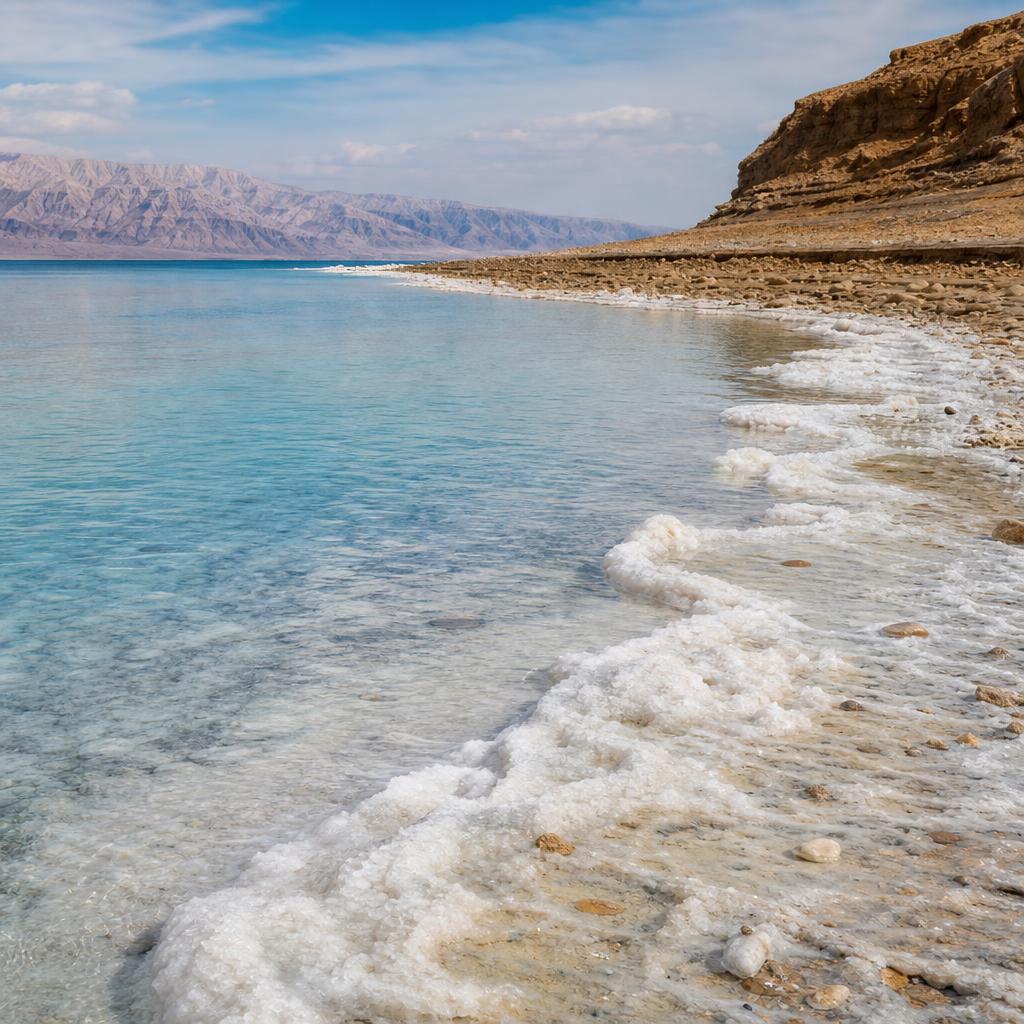
Best Time to Visit Jordan: Weather, Seasons and Where to Go
The best time to visit Jordan is usually spring or autumn, when Petra, Wadi Rum, Amman and the Dead Sea are most comfortable. This practical seasonal guide explains weather differences, month-by-month planning, packing and how to shape a route around heat, rain and changing temperatures.
Quick answer: when is the best time to visit Jordan?
For most travellers, the best time to visit Jordan is spring, roughly March to May, or autumn, from late September through November. These are the most comfortable periods for exploring Petra on foot, spending time in Wadi Rum, visiting Amman and Jerash, and combining inland sightseeing with the Dead Sea or Aqaba.
Spring brings green hills, wildflowers in parts of the north and central highlands, and increasingly warm days. Autumn usually offers stable, dry weather after the peak summer heat, with pleasant temperatures for longer itineraries. Both seasons can be busy at major sites, particularly Petra, so transport and accommodation are worth arranging well ahead.
Jordan is a year-round destination, but each season changes the practical shape of a trip. Summer can be excellent for Aqaba and early-morning sightseeing, while winter suits travellers who prefer quieter sites and do not mind cold evenings, rain, or the possibility of snow in higher areas. The key is to match your route, pace, clothing and expectations to the conditions.
Jordan weather and geography: why timing matters
Jordan has more climatic variety than many first-time visitors expect. The country is compact enough to cross in a day, but altitude, desert exposure and proximity to the Red Sea create notably different conditions. A cool morning in Amman can be followed by warm sunshine at the Dead Sea, while Wadi Rum may be hot by day and sharply cold after sunset.
The northwest and central highlands, including Amman, Jerash, Ajloun and Madaba, have a Mediterranean pattern: wetter, cooler winters and dry summers. Petra sits at a high elevation and can feel colder than its desert setting suggests, especially early and late in the day. Wadi Rum is an arid desert with large day-to-night temperature swings. The Dead Sea is low below sea level and generally warmer than Amman, while Aqaba on the Red Sea has Jordan’s warmest winter conditions.
Rain falls mainly between late autumn and early spring. It is often welcome after the long dry season, but heavy rainfall can temporarily affect roads, wadis and outdoor plans. Weather is never fully predictable, particularly during seasonal transitions. Check current forecasts, road information and site notices shortly before travelling, and allow flexibility around exposed desert or canyon landscapes.
For travellers planning several regions, a private driver in Jordan can make seasonal routing easier: an early departure can avoid midday heat, while a driver can help keep the day practical when conditions change or when a route involves long intercity distances.
Spring in Jordan: March to May
Spring is widely considered the strongest all-round season. Days become progressively warmer, landscapes in the north can turn green, and walking conditions are usually far more comfortable than in summer. It is an especially appealing time for first visits that combine Amman, the King’s Highway, Petra, Wadi Rum and the Dead Sea.
March can still feel like winter in Amman and Petra. Rain, wind and cool evenings remain possible, while the desert can be cold overnight. By April, temperatures are generally more inviting for outdoor sightseeing, and May often brings warm, dry days before the full intensity of summer arrives. Exact conditions vary from year to year.
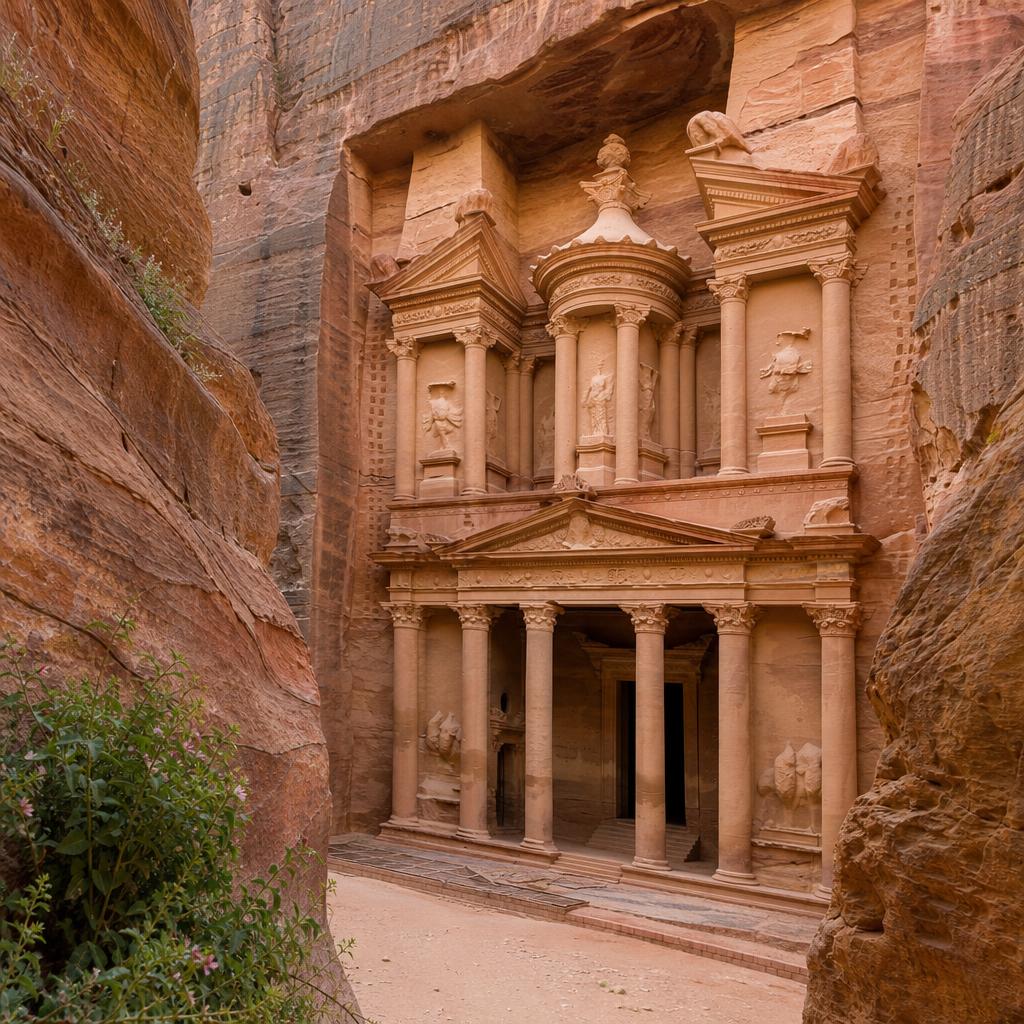
Spring is ideal for travellers who want to walk substantial distances at archaeological sites. Petra requires more stamina than many visitors anticipate: the Siq approach, the main archaeological route and viewpoints all involve time on foot, uneven surfaces and sometimes steps. A Petra day trip from Amman is more manageable in mild weather, though an overnight stay near Petra can still be preferable for travellers who want a slower, less rushed experience.
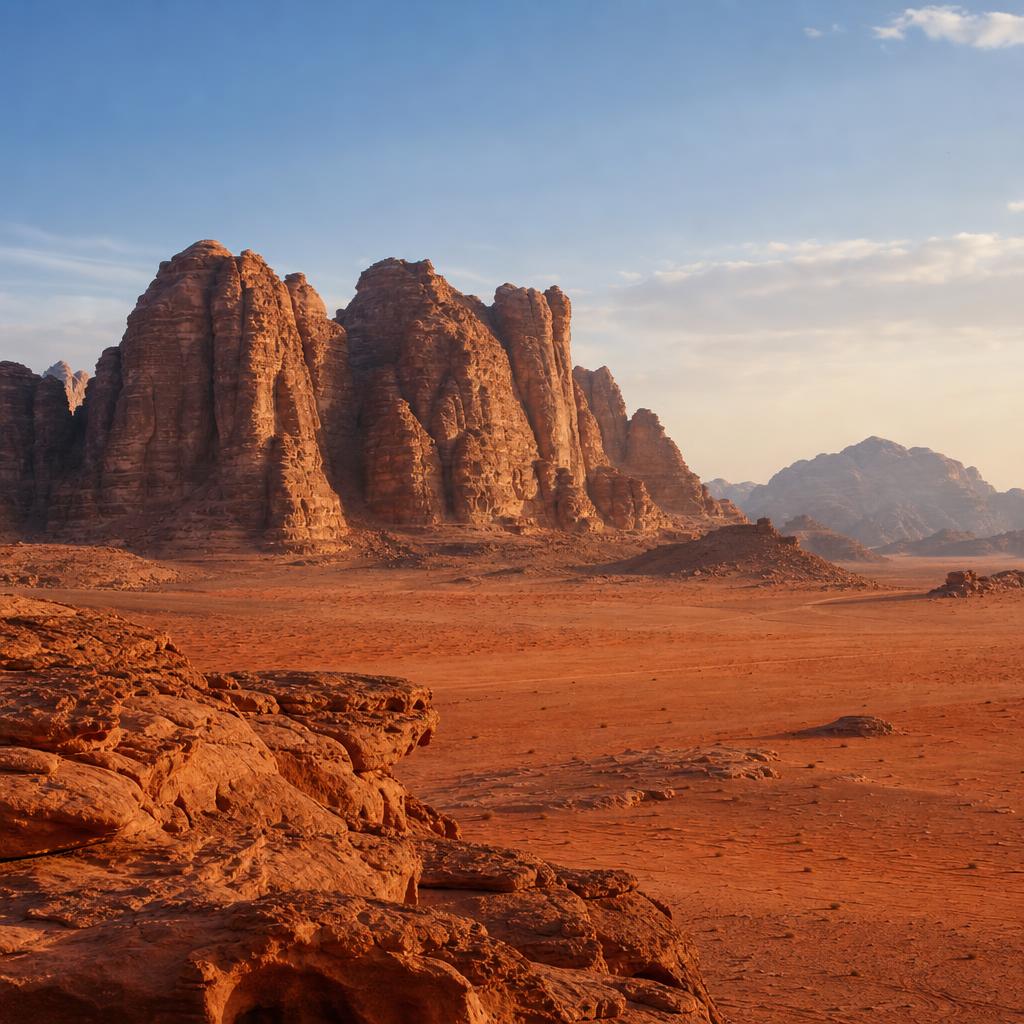
Wadi Rum is also particularly rewarding in spring. Desert temperatures are usually comfortable for sightseeing during the day, but bring layers for evenings because the air can turn cold after sunset. Wind can lift sand at any time of year, so sunglasses, a scarf or buff, and a secure bag for electronics are useful.
Spring’s main drawbacks are popularity and variability. Major sites may be busy, and accommodation demand can be high around holiday periods. Rainy spells are still possible in March and sometimes into April. If you are visiting the north, avoid assuming that a sunny forecast in Aqaba or the Dead Sea reflects conditions in Amman or Ajloun.
Summer in Jordan: June to August
Summer is hot, dry and bright across most of Jordan. Inland cities and desert areas can experience intense daytime heat, especially from late morning through the afternoon. It is not the easiest season for long, unshaded walks in Petra or prolonged exploration in Amman, but it can work very well with sensible scheduling.
The practical summer rule is simple: begin early, rest during the hottest part of the day, and resume activity later if appropriate. Carry more water than you think you will need, wear a hat, use sunscreen, and do not underestimate heat exposure on stone paths, open viewpoints or desert sand. Choose breathable clothing that also protects shoulders and legs from sun.
Petra remains visitable in summer, but it rewards an early start. The Siq offers shade in parts, yet the main basin is exposed and the climb toward elevated viewpoints can be demanding in high heat. Build in a slower pace and do not make an ambitious hiking plan dependent on the hottest hours.
Wadi Rum’s desert heat can be severe during the day, although its dry air and clear nights appeal to many visitors. Confirm the practical arrangements, timing and what is supplied directly with your chosen provider; do not assume that a particular activity, camp service or vehicle excursion is part of any transfer or itinerary. If you are considering a Wadi Rum tour from Amman, ask about seasonal departure timing and the amount of time spent outdoors.
Summer is the strongest period for beach-focused time in Aqaba. The Red Sea is warm, daylight is long, and water activities are a natural complement to inland touring. Still, hot weather can make transfers from Aqaba to Petra or Wadi Rum tiring if days are overfilled. Consider splitting longer journeys and keeping arrival-day plans light.
The Dead Sea is also hot in summer. Floating and relaxing can be enjoyable, but strong sun and hot ground make morning or late-afternoon visits more comfortable. A Dead Sea day trip from Amman may be best scheduled with an early departure and a clear plan for hydration, shade and sun protection.
Autumn in Jordan: September to November
Autumn rivals spring as the best time to visit Jordan, and some repeat visitors prefer it. September may still feel distinctly summery, particularly in Aqaba, the Dead Sea and Wadi Rum, but temperatures usually become more comfortable as October progresses. November brings cooler nights, especially in Amman and Petra, and the first meaningful chance of rain returns.
October is often one of the most balanced months for a classic route. Petra is more comfortable for walking than in midsummer, Wadi Rum is pleasant during the day, and Aqaba remains warm enough to add Red Sea time. The countryside is usually dry and golden rather than green, but clear light and comfortable sightseeing temperatures make this a practical period for photography and road travel.
November can be excellent for travellers who prefer milder crowds and cooler conditions, although it requires more adaptable packing. One day may be sunny and warm at the Dead Sea, while an evening in Petra calls for a fleece or insulated layer. Rain can occur, and the chance of changing road conditions rises as winter approaches.
Autumn is also a sensible season for longer routes. A five-day Jordan itinerary can work particularly well when days are not dominated by extreme heat, while a one-week Jordan itinerary gives more room for the north, Petra, Wadi Rum and Aqaba without compressing every transfer.
Winter in Jordan: December to February
Winter is Jordan’s quietest and most variable travel season. It can be rewarding for visitors who value lower visitor numbers, softer light and cooler days for some forms of sightseeing. It can also bring rain, wind, cold nights, occasional snow in higher areas and short-notice changes to plans.
Amman, Jerash, Ajloun, Madaba and Petra can feel genuinely cold in winter, particularly after dark. Central heating is not equally strong in all properties, so check accommodation facilities if warmth matters to you. Waterproof footwear, a proper rain layer and warm layers are more useful than fashionable light jackets.
Petra can be beautiful in winter, but the experience depends heavily on the day’s weather. Dry, sunny days are often pleasant for walking; wet or windy conditions make stone paths more slippery and exposed sections less enjoyable. Flash flooding is a serious natural hazard in desert valleys and narrow channels during heavy rain. Follow local instructions, respect closures and do not enter wadis or canyons when weather warnings are in force.
Wadi Rum has mild-to-cool days but very cold nights by desert standards. The clear winter air can make starry skies striking, yet this is not a reason to assume every camp or activity will operate in the same way year-round. Verify current conditions and inclusions directly with the relevant operator.
Aqaba is Jordan’s most dependable winter escape for warmth. It is typically milder than the highlands, making it a useful final stop after colder sightseeing days. The Dead Sea is also generally warmer than Amman, though winter sun is less reliable and windy conditions can reduce comfort beside the water.
Winter works best for travellers with flexible expectations. Keep driving days realistic, have indoor alternatives in Amman, and avoid designing a route where one weather-sensitive activity determines the success of the entire trip.
Jordan month by month
January
January is usually one of the coldest and wettest months in the highlands. Choose it for quieter city breaks, museums, food and archaeological visits on dry days. Add warm layers for Petra and Amman, and consider Aqaba for a milder finish.
February
February remains wintry but can include bright, crisp days. Rain is still possible and wildflowers may begin to appear later in the month in favourable years. It is a good choice for lower crowds if you pack for cold evenings and stay flexible.
March
March is a transition month. The north may be green, but weather can change quickly. It is a good time for travellers who enjoy landscapes and do not require guaranteed warmth. Pack both rain protection and lighter daytime clothing.
April
April is among the most popular months for Jordan. Walking, road trips and desert stays are usually comfortable, and the north is often at its most scenic. Reserve sought-after accommodation and transport early if your dates are fixed.
May
May brings warmer, drier conditions and is excellent for a broad first-time itinerary. Petra and Wadi Rum are generally pleasant, though midday sun is becoming stronger. Aqaba and the Dead Sea are increasingly attractive.
June
June marks the start of sustained summer heat. It suits travellers prepared to sightsee early and rest in the afternoon. Build shade, water and slower pacing into every outdoor day.
July
July is very hot in inland and desert locations. Aqaba is a natural priority, while Petra should be visited with an early start and conservative walking plans. Avoid treating the desert as a place for all-day exposure.
August
August remains intensely hot, although some travellers find the dry heat manageable with careful timing. It is best for trips that combine cultural sites with water time, air-conditioned transport and unhurried evenings.
September
September is still hot, especially in the south, but evenings begin to improve later in the month. It can be a good shoulder-season option for Aqaba plus a carefully paced Petra and Wadi Rum route.
October
October is one of the best months for a comprehensive trip. It is often warm enough for the Red Sea and Dead Sea while being much easier for Petra walks and desert exploration than midsummer.
November
November offers comfortable daytime sightseeing and cooler nights. It is well suited to heritage-focused travel, but bring a waterproof layer and check forecasts before driving through higher areas.
December
December has short days and variable weather, but fewer crowds can make major sites feel calmer. It is suitable for visitors who are happy to trade predictable warmth for atmosphere and flexibility.
Where to go by season
Petra
Petra is best visited in spring and autumn, when walking is most comfortable. Summer visitors should start early; winter visitors should prepare for cold, rain and occasionally slippery terrain. Give yourself enough time rather than treating the site as a quick photo stop. If weather is poor, reassess hiking ambitions rather than pushing on for a viewpoint.
Wadi Rum
Spring and autumn are generally the easiest seasons for Wadi Rum. Summer demands heat awareness, while winter demands warm night clothing. Desert conditions change rapidly after sunset, so bring layers even when the day begins hot. Dust protection is useful in every season.
Dead Sea
The Dead Sea is viable year-round, but comfort varies. Spring and autumn are the most balanced, summer is very hot, and winter can be pleasant on calm sunny days. Bring sandals for hot or rough surfaces, rinse after swimming where facilities allow, and avoid shaving immediately before entering the salty water, as it can sting.
Aqaba
Aqaba is strongest from autumn through spring for travellers seeking warm weather without peak inland heat. Summer is hot but suits those focused on the sea. Winter is the best time to add a warm-weather contrast to a colder Amman or Petra itinerary.
Northern Jordan
Amman, Jerash, Ajloun and the greener northwest are especially appealing in spring, when landscapes are at their freshest. Autumn is comfortable for ruins and city touring. Winter can be atmospheric but wetter and colder; summer is dry and often hot, though higher elevations can feel less intense than the desert south.
For a route that emphasises the north before continuing south, consider the structure of this North Jordan, Dead Sea, Petra, Wadi Rum and Aqaba journey. It is particularly well suited to spring or autumn, when combining several climate zones feels easier.
What to pack for Jordan by season
No matter when you travel, pack for walking, sun and changing temperatures. Jordan’s dress norms vary by setting, but modest, practical clothing is generally useful, especially at religious sites and in smaller communities. Lightweight layers are more versatile than a single bulky outfit.
- Comfortable, broken-in walking shoes with grip for Petra and archaeological sites
- A refillable water bottle and sun protection: hat, sunglasses and sunscreen
- A light scarf or buff for sun, wind and desert dust
- A small daypack for water, snacks and an extra layer
- Swimwear and sandals for the Dead Sea or Aqaba
- A plug adapter appropriate to your devices, plus a portable charger
- A rain jacket and warmer mid-layer from late autumn through early spring
- An insulated layer for Wadi Rum nights outside summer
In summer, prioritise loose, breathable fabrics and a sun hat that stays secure in wind. In winter, add waterproof footwear or water-resistant shoes, warm socks and a proper outer layer. In spring and autumn, bring both: warm mornings and evenings can coexist with strong afternoon sunshine.
How the season should shape your Jordan route
A successful Jordan itinerary is not only about what you see; it is about when you see it. The right pace also depends on how many days in Jordan you have. In hot months, put demanding sites first thing in the morning and save scenic drives, lunch breaks, museums or hotel time for midday. In cooler months, use the warmer central hours for outdoor sites and avoid unnecessarily early starts in cold desert areas.
Spring and autumn support classic multi-stop journeys. A route following the King’s Highway can include Madaba, Mount Nebo, Kerak, Petra and Wadi Rum at a comfortable pace. This four-day Dead Sea, King’s Highway, Petra and Wadi Rum experience illustrates the kind of compact itinerary that is especially practical in the shoulder seasons; check the current page for its exact arrangements and inclusions.
In summer, consider placing Aqaba or the Dead Sea at the end of the trip, when relaxation is welcome after early starts at inland sites. Keep Petra as an overnight stop if possible, rather than combining a long drive, a full visit and a late transfer in one demanding day. In winter, build spare time into any route involving Petra, Wadi Rum or northern highland roads, and make Aqaba a useful weather buffer.
The best time to visit Jordan ultimately depends on your priorities. Choose April, May, October or November for the most balanced conditions. Choose summer for Red Sea time and quieter early-morning sightseeing if you tolerate heat well. Choose winter for lower crowds, dramatic skies and a more flexible, weather-aware journey. With sensible pacing and the right clothing, every season can reveal a different side of Jordan.