Jordan Travel Tips for First-Time Visitors
Practical Jordan travel tips for first-time visitors, covering airport arrival, money, connectivity, clothing, weather, etiquette, transport, Petra, Wadi Rum, the Dead Sea, safety, packing and realistic itinerary planning.
Start With a Simple Jordan Plan
Jordan is compact on a map but fuller in practice than many first-time visitors expect. A journey can move from Amman’s hills and Roman ruins to desert highways, Petra’s sandstone valleys, Wadi Rum’s open landscapes and the mineral-rich Dead Sea in a matter of days. That variety is the appeal, but it also makes planning important. Distances are manageable, yet travel days can become long once hotel check-outs, meal stops, viewpoints, luggage, traffic and walking are taken into account.
These Jordan travel tips are designed for travellers who want to arrive prepared without over-scheduling every hour. The most successful first trips allow time for the country’s major sites, leave room for unplanned pauses and treat transfers as part of the experience rather than a gap between attractions.
Sort out arrival details before you fly
Before departure, check official, current sources for entry conditions, passport validity expectations, visa arrangements, customs rules and any health-related travel requirements that may apply to your nationality and route. These details can change and airline information should be treated as a prompt to verify rather than the final authority.
Save key documents in more than one form. Keep paper or offline copies of hotel addresses, travel insurance details, onward travel information and emergency contacts, especially if you expect to arrive late or will not have data immediately. It is also useful to write accommodation names in both English and Arabic where possible, though most established hotels and drivers will be familiar with major properties.
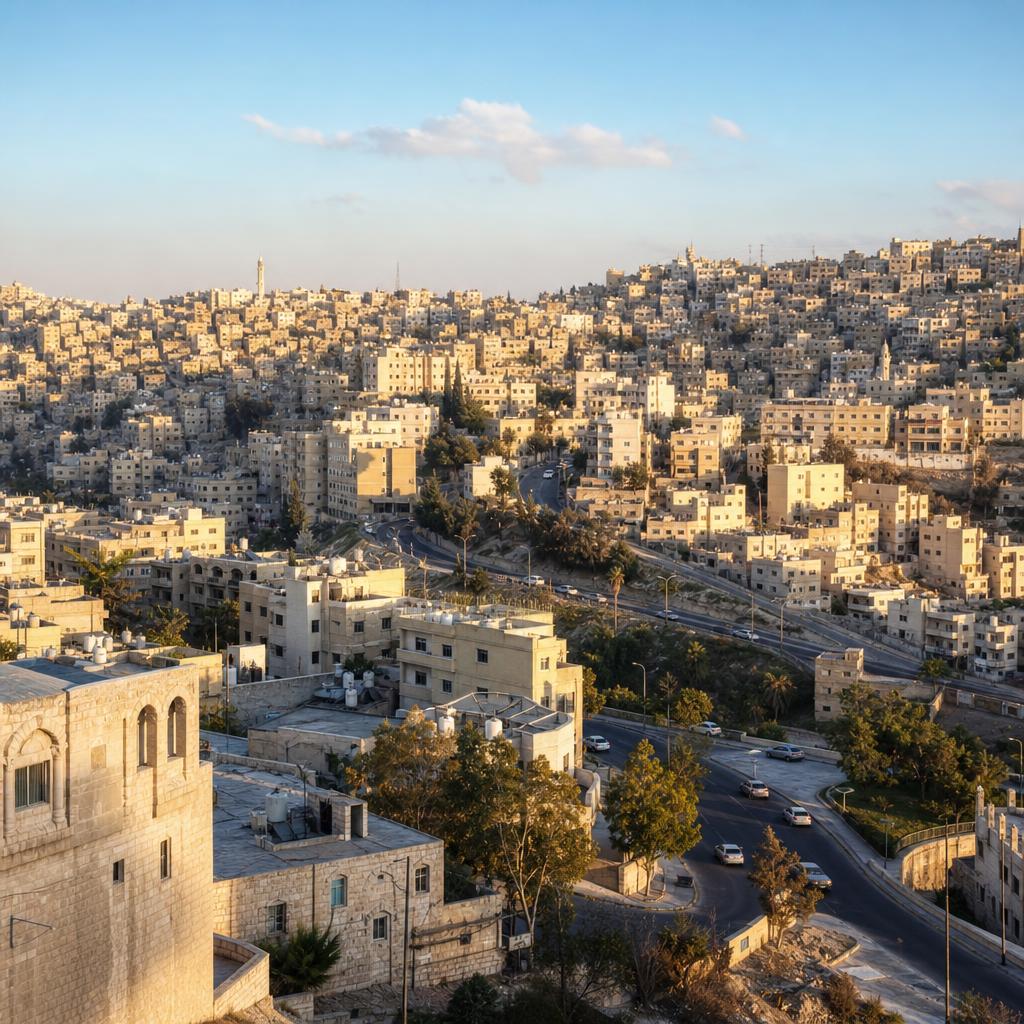
Amman’s main airport is outside the city, so plan the first transfer rather than assuming that you will decide after landing. An advance private transfer from Amman airport can make a late arrival, family trip or first visit considerably less stressful. For a detailed overview of practical arrival options and considerations, read the Amman airport transfer guide.
Build in patience after landing. Immigration, baggage collection, cash access, meeting a driver and the road into Amman may take longer than you anticipate. Avoid booking a demanding activity immediately after an international arrival unless you have substantial flexibility.
Money, Cards and Everyday Payments
Jordan’s currency is the Jordanian dinar. It is useful to arrive with a small amount of local cash or obtain some after arrival for minor purchases, tips and places where card terminals are unavailable or unreliable. Larger hotels, restaurants and visitor-oriented businesses often accept cards, but acceptance should not be assumed everywhere, particularly outside the main cities and established tourism areas.
Tell your bank about international travel if required and carry more than one payment method. A physical card is sensible even if you normally rely on a phone wallet. Keep a modest amount of cash separate from your main wallet and do not wait until you are completely out of dinars before looking for an ATM. Availability can be uneven on long road days and machines occasionally have limits or technical issues.
When paying by card, review the currency option presented on the terminal. In many countries, being charged in the local currency rather than accepting a merchant’s conversion can be preferable, but fees depend on your card provider. Check your bank’s terms before travel.
Tipping is customary in many service settings, but there is no need to treat it as a rigid formula. Small amounts for helpful service are generally appreciated. Consider the setting, the level of service and your budget. Carry small notes so that you can tip conveniently without creating awkward change requests.
Budget Beyond the Headline Price
A Jordan itinerary has costs that are easy to overlook: airport transfers, site tickets, meals on driving days, optional local experiences, drinks, gratuities and the occasional taxi within a city. Ask accommodation providers and tour operators what is and is not included before confirming anything. This is especially important for desert stays, where transport, meals, guided activities and room categories can differ significantly from one provider to another.
If you are comparing routes and travel styles, browse the available Jordan travel packages as a starting point for understanding how multi-stop trips can be structured. Read the inclusions and exclusions of each option carefully rather than assuming that similarly named itineraries offer the same services.
Connectivity: SIM Cards, Data and Offline Backup
Reliable mobile data makes Jordan much easier to navigate. It helps with hotel communication, translation, map checks and confirming pickup points. Visitors commonly choose between a local SIM, an eSIM compatible with their handset, or international roaming. Which is best depends on your phone, data needs, length of stay and provider terms, so compare current options before travel.
Do not rely wholly on being connected. Download offline maps of Amman, Petra, Wadi Musa, Wadi Rum, Aqaba and the Dead Sea area before you leave Wi-Fi. Save your hotel confirmations and important addresses offline. Coverage can vary by terrain and location and desert or mountain roads are not the place to discover that an app needs a fresh download.
A portable charger is more useful than many first-time travellers realise. Navigation, photos and messaging consume battery quickly during full sightseeing days. Bring the correct plug adapter for your electronics and check voltage compatibility for any high-powered device. Hotels may have different socket arrangements, so one versatile adapter is more practical than carrying several single-purpose plugs.
Language and Communication
Arabic is Jordan’s official language, while English is widely used in tourism, hospitality and many urban settings. Still, learning a few Arabic greetings is a thoughtful gesture and can make everyday exchanges warmer. A simple hello, thank you and polite greeting go a long way.
Speak clearly, be patient and avoid assuming that everyone uses the same English expressions. When arranging a pickup, confirm the location, time, vehicle details and a contact method in advance. If you are travelling with children, bulky luggage or mobility equipment, mention this when booking transport rather than hoping it will fit comfortably on the day.
Dress for Comfort, Climate and Context
Jordan rewards practical clothing. The country includes hot lowlands, cooler highlands, exposed desert, air-conditioned interiors and chilly evenings depending on season and location. Layers are more useful than a suitcase filled only with warm-weather clothes. Even when daytime temperatures are pleasant, early mornings, evenings and desert nights can feel surprisingly cold.
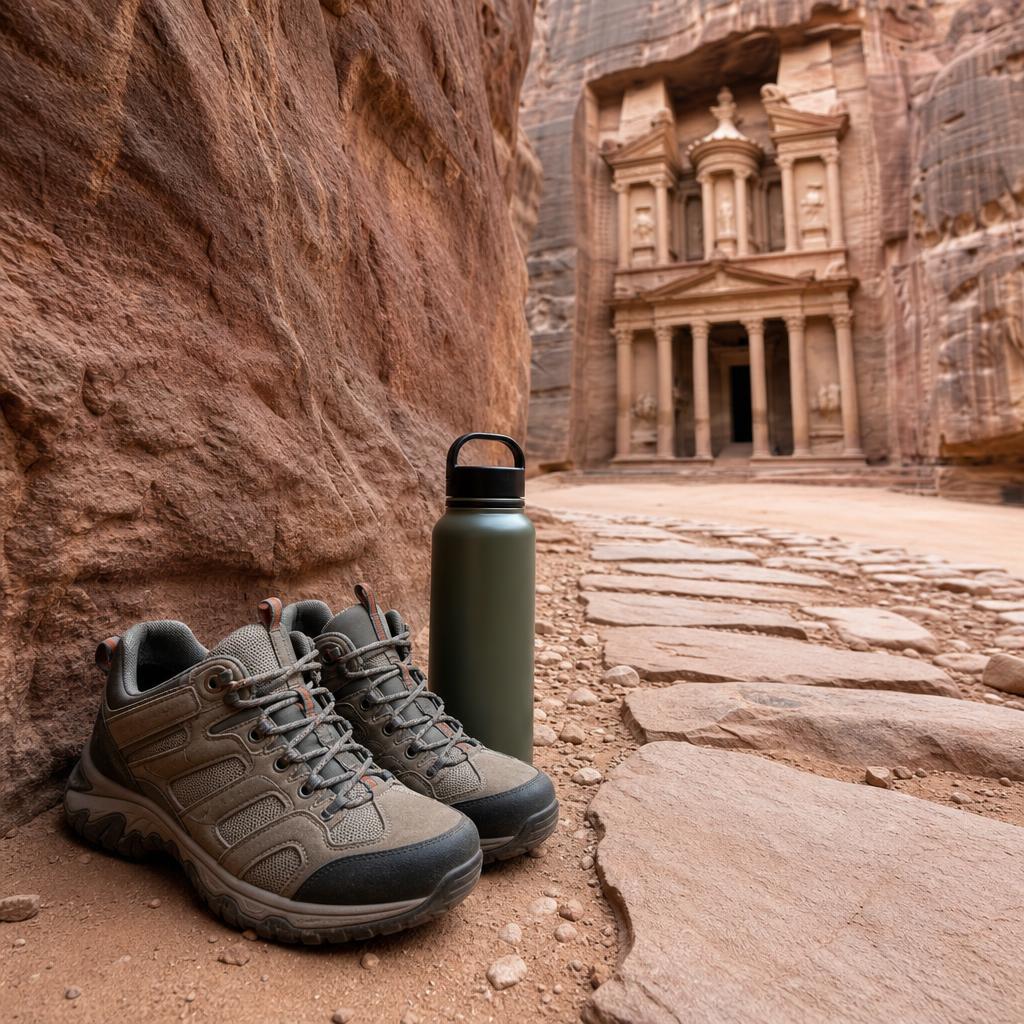
Choose breathable fabrics, comfortable trousers or longer shorts where appropriate and shoes that can handle uneven stone, sand and long walks. Petra in particular is not a place for brand-new fashion shoes: surfaces can be dusty, sloped, polished by foot traffic or rough underfoot. Broken-in walking shoes or supportive trainers are a better choice.
Modesty is appreciated, especially in residential neighbourhoods, religious settings and smaller communities. Visitors do not need to erase their personal style, but clothing that covers shoulders and knees is a flexible, respectful baseline in many situations. Carrying a light scarf or overshirt makes it easy to adapt when entering a conservative setting, dealing with sun or sitting in a cool vehicle.
Swimwear is appropriate at pools, hotel beaches and designated resort facilities. Outside these spaces, cover up before walking through public areas. If visiting the Dead Sea, pack a cover-up, sandals and a change of clothes. The water and mud can be messy and salt residue is uncomfortable once dry.
Weather: Jordan Is Not One Climate
One of the most useful Jordan travel tips is to stop thinking of the country as uniformly hot. Conditions vary sharply by altitude, season and region. Amman and other elevated areas can be considerably cooler than Aqaba or the Dead Sea, while Wadi Rum often has strong temperature swings between day and night. Rain can affect road conditions and walking surfaces in colder months; intense sun and dehydration are bigger concerns during warmer periods.
Check the forecast for each stop, not just for Amman. Pack sunglasses, sunscreen, a brimmed hat and a refillable water bottle in every season. In cooler periods, add a rain layer and warmer mid-layer. In hotter periods, schedule outdoor walking early or later in the day where possible, use shade intelligently and do not confuse dry air with low dehydration risk.
For Petra, weather affects both comfort and logistics. Heavy rain can alter conditions in narrow valleys and low-lying areas. Follow instructions from local authorities, your accommodation and site staff, and be prepared to adjust plans if conditions require it. Never treat a dramatic weather forecast as a reason to seek out vulnerable terrain for photographs.
Hydration and Food Awareness
Carry water on road trips and sightseeing days, then refill whenever practical. You may walk more than expected at archaeological sites, in city centres and around hotel grounds. Electrolytes can be useful for some travellers in hot conditions, but individual health needs vary.
Jordanian food is a major reason to travel, from shared mezze and grilled dishes to fresh bread, mansaf and sweets. Start with restaurants that appear busy and well maintained, especially when you are adjusting to a new destination. If you have allergies, dietary restrictions or medical requirements, communicate them clearly in advance at hotels and when booking meals. Do not assume every kitchen understands a dietary label in the same way you do; explain the specific ingredients you need to avoid.
Etiquette That Makes Travel Smoother
Jordan is known for hospitality and respectful curiosity is usually met warmly. Good travel etiquette is less about memorising rules than paying attention to context. Greet people before launching into a request, dress appropriately for the place you are in and ask before photographing anyone. This is particularly important when photographing women, families, workers, religious spaces or people in rural communities.
Public displays of affection may attract more attention than they would in some visitors’ home countries. Keep behaviour low-key in public. During religious occasions, be considerate around eating, drinking and smoking in public and take cues from the environment. If you are unsure what is appropriate, ask politely or follow the lead of your hosts.
Negotiation is part of shopping in some markets, but it needs not to become confrontational. Be friendly, know your limit and walk away graciously if a price does not suit you. Agree on the fare before entering a taxi if there is any uncertainty about how it will be calculated. For purchases, check the item’s condition and confirm what you are buying before payment.
Photography and Drones
Jordan offers spectacular views, but a camera does not override privacy, safety or local rules. Ask permission before close portraits, avoid photographing security-sensitive places and respect signs restricting photography. Rules on drones, professional equipment and commercial filming can be complex and subject to change. Check official current requirements before travelling with any drone or specialised gear; do not assume that permission elsewhere applies in Jordan.
Getting Around: Match Transport to Your Route
Jordan is best experienced as a connected road trip rather than a collection of disconnected city breaks. A fuller comparison of transport options across Jordan can help you match the vehicle and route to your trip. Public transport, taxis, rental cars and private transport can all suit certain travellers, but the right choice depends on your itinerary, confidence, group size, luggage and desired pace.
Self-driving offers independence, but it also places navigation, parking, road awareness and fatigue on the driver. Conditions can differ from those at home, particularly in urban traffic, on mountain roads and after dark. If you choose to drive, make sure you understand current insurance terms, road rules and practical expectations before setting off. Avoid treating driving days as sightseeing marathons.
For visitors who prefer to spend the journey looking out of the window rather than managing the road, a private driver for travel around Jordan can be a practical way to connect multiple destinations. It is especially useful when combining Amman, Jerash, Madaba, Mount Nebo, the Dead Sea, Petra, Wadi Rum and Aqaba in one trip. Confirm the route, timing, luggage capacity, waiting arrangements and any planned stops directly before booking.
Taxi rides work well for shorter city journeys, but clarify pickup points and price expectations. In Amman, addresses can be less intuitive than in a grid-based city, and hilly streets make walking between apparently close points more demanding than map distances suggest.
Do Not Underestimate Transfer Days
A common first-time mistake is planning an attraction-filled morning, a long drive, a major site visit after arrival and a late dinner all on the same day. It can be done occasionally, but repeating that pattern turns a holiday into a race.
Give yourself enough time for check-out, coffee, rest stops, lunch, photos, hotel check-in and unexpected traffic. A private transfer may make the day more comfortable, but it does not remove the need for realistic pacing. Build a buffer, especially before flights, timed reservations or accommodation check-ins.
If you have around five days, a five-day Jordan itinerary can help you understand the trade-offs between fitting in several highlights and allowing enough time at each one. With a week, this seven-day Jordan travel route offers a broader planning reference. Use itineraries as frameworks, not obligations: your priorities may be archaeology, food, hiking, relaxation or family-friendly travel rather than ticking off every famous location.
Amman: Plan for Hills, Traffic and Good Evenings
Amman is often the first and last stop, yet many visitors give it too little time. Its character lies in neighbourhood life, cafés, restaurants, viewpoints, markets and historic sites rather than a single compact tourist district. The city is built over hills, so routes that look walkable on a phone can involve steep climbs, staircases and busy roads.
Choose accommodation based on how you want to spend your evenings. Staying near restaurants and cafés may be more valuable than staying near a landmark if you have limited time. Use a car or taxi strategically rather than trying to walk every uphill stretch. Keep a light layer with you: evenings can feel cooler than the afternoon suggests.
For markets and busy streets, carry valuables securely and keep your phone accessible without displaying it unnecessarily. As in any major city, stay aware of your surroundings, particularly in unfamiliar areas after dark. Ask your hotel for current local guidance on routes and neighbourhoods if you plan to explore independently.
Petra: Give It the Time and Energy It Deserves
Petra is physically more demanding than its photographs imply. The experience involves walking on uneven ground, spending hours outdoors and making decisions about how far beyond the most recognisable views you want to explore. The Treasury is only one part of a much larger archaeological landscape.
Stay near Petra when possible rather than arriving from a distant city, rushing through and departing immediately. An early start can improve comfort and help you experience the site before the strongest midday sun or the busiest periods. Bring water, sun protection, a snack, secure footwear and enough battery for maps and photographs. Keep your expectations flexible: conditions, crowds and your own energy level will shape the day.
Do not feel pressured into every side route, animal ride or informal service offered along the way. Make choices based on your fitness, interests, comfort and the information available at the site. Ask clear questions about what is offered and the total price before agreeing to anything. If you are travelling with young children, older relatives or anyone with limited mobility, research current accessibility information and discuss practical options with your accommodation or a local specialist in advance.
Protect the Experience
Petra deserves patience. Sit down when you need to, look beyond the headline viewpoint and allow time to notice tomb facades, water channels, rock colours and the scale of the landscape. Rushing to reproduce a social-media image can mean missing the place itself.
Respect barriers, signed routes and conservation guidance. Archaeological sites are fragile and climbing where it is prohibited can be unsafe as well as damaging. Keep litter with you until you find an appropriate bin and avoid leaving food where animals may reach it.
Wadi Rum: Know What Your Stay Actually Includes
Wadi Rum is often described simply as “the desert,” but it is a large protected landscape with different camps, access points, activity formats and standards of comfort. A desert overnight can be a highlight of a Jordan trip, provided you understand the arrangement before arriving.
Ask your provider exactly where to meet, how you will reach the camp, what type of accommodation is booked, whether meals are provided, whether there is heating or cooling, how private bathroom facilities work and what activities are optional. Do not assume that a Jeep excursion, camel ride, guided walk, sunset stop or stargazing programme is automatically included just because it is commonly advertised in the area.
Pack for sand and shifting temperatures: a light day layer, warm evening layer, closed shoes, sun protection, water and a small torch can all be useful. Protect cameras and electronics from dust, and avoid bringing more luggage than you need for an overnight stay if your main bags can remain securely stored elsewhere.
Desert Safety and Responsible Travel
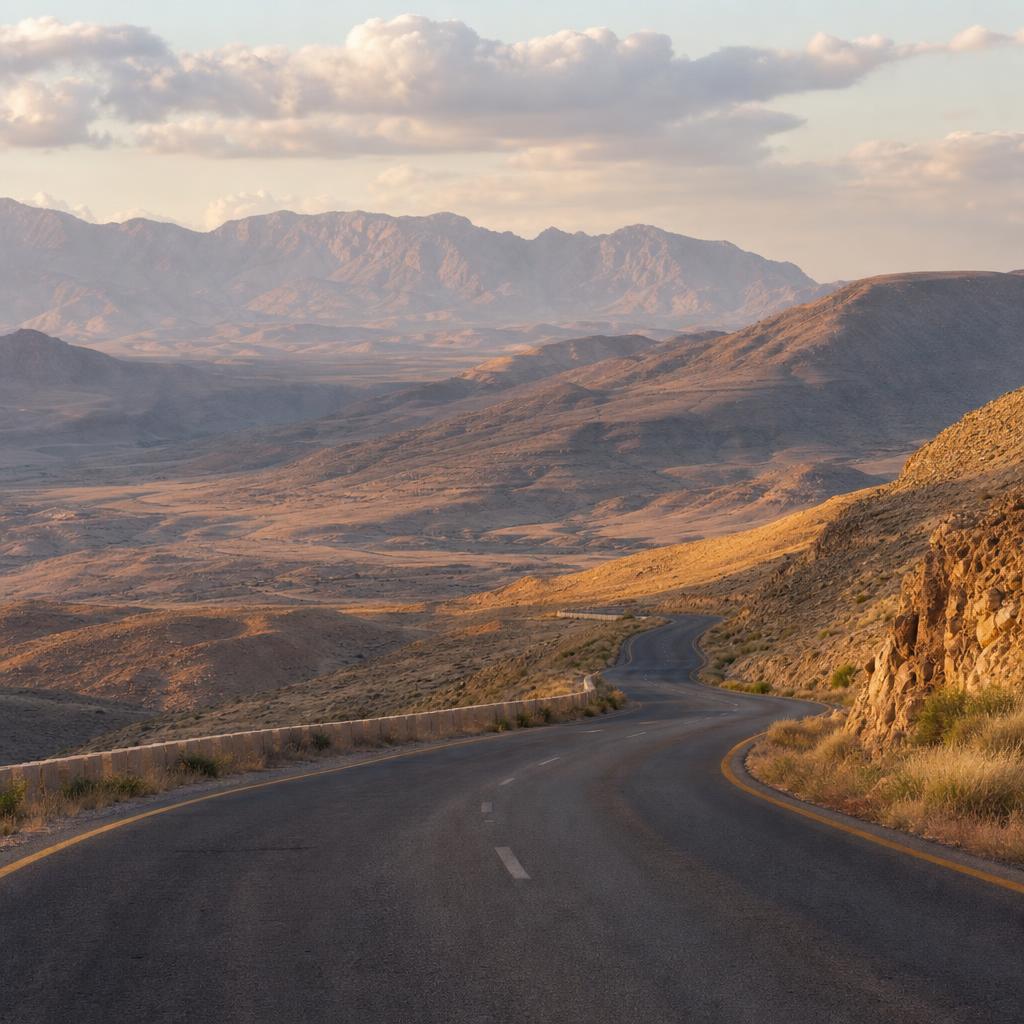
Stay with your arranged transport or guide in unfamiliar desert terrain. Do not wander away from camps or vehicles without local knowledge, even when the landscape appears open and easy to navigate. Weather, darkness and distance can be deceptive.
Choose operators carefully by looking for clear communication, transparent arrangements and recent independent feedback. Follow local guidance regarding protected areas, fires, waste and off-road routes. The most memorable desert experience is not one that leaves the deepest tyre marks or the most litter behind.
The Dead Sea: Short Visit, Specific Preparation
The Dead Sea can be combined with other stops, but it is not simply a normal beach day. The water’s salinity changes how it feels on skin and eyes and even minor cuts or freshly shaved skin can sting. Avoid splashing, keep water away from your face and follow the safety instructions provided by the facility or beach you use.
Bring sandals, drinking water, a towel, swimwear and a cover-up. Shower after swimming if facilities are available and avoid wearing jewellery you would worry about exposing to salt water. Do not stay in longer than is comfortable just to say that you did. The best visit may be a relaxed float, a shower, lunch and time to enjoy the view.
The Dead Sea sits at a much lower elevation than Amman, so it can feel significantly warmer. Plan clothing and hydration accordingly, especially if you are arriving from the capital or heading directly onward to another destination.
Safety: Sensible Habits, Not Constant Anxiety
Jordan is a destination where ordinary travel awareness goes a long way. Keep passports, cash and cards secure, use reputable transportation arrangements, share your itinerary with someone you trust and maintain travel insurance suited to your plans. If you intend to hike, dive, take part in adventure activities or travel beyond main routes, make sure your coverage is appropriate for those activities.
Use official advice and local guidance to stay informed about current conditions. Government travel advisories can offer a useful overview, but check dates and read the details rather than relying on a colour-coded summary. Your hotel, transport provider and local contacts may also have practical, place-specific information about weather, road conditions or site access.
Avoid isolated walking routes after dark, particularly where you do not know the area. Keep valuables discreet, use hotel safes where appropriate and do not leave bags visible in unattended vehicles. If an interaction feels uncomfortable, step away calmly and seek help from a hotel, restaurant, shop or official point of contact.
Packing List for a First Jordan Trip
Pack according to season and itinerary, but this core list suits many first-time visits:
- Passport, insurance details, payment cards and a modest supply of local cash
- Comfortable walking shoes with good grip
- Light layers plus a warmer outer layer for cool evenings or desert stays
- Sun hat, sunglasses and sunscreen
- Refillable water bottle and portable charger
- Universal plug adapter and charging cables
- Small daypack for Petra and road trips
- Modest cover-up or scarf for flexible clothing choices
- Basic personal medication, plus copies of prescriptions where useful
- Sandals or water shoes for the Dead Sea
- Offline maps, saved accommodation details and emergency contacts
Keep medication in its original packaging where possible and check official current guidance if you are carrying controlled medicines or specialised medical equipment. Pack valuables and essential documents in carry-on luggage rather than relying on checked bags.
Common First-Time Mistakes to Avoid
Trying to see all of Jordan in three rushed days is the most frequent planning error. Choose fewer stops and experience them properly. Amman, Petra, Wadi Rum and the Dead Sea already make a substantial trip; adding Jerash, Aqaba, Madaba, Dana or other destinations requires additional time or clear compromises.
Another mistake is booking based on assumptions. A hotel location may look close on a map but be separated by steep terrain. A camp listing may mention desert activities without including them in the room rate. A transfer may cover one route but not waiting time or diversions. Read the details, ask questions and keep written confirmation of the essential arrangements.
Visitors also underestimate the sun, especially when the air feels dry or cool. Drink water regularly, reapply sunscreen and do not wait until you feel unwell to rest. Conversely, do not pack only summer clothes because of Jordan’s desert image. Elevation and evening temperatures matter.
Finally, leave space for Jordanian hospitality. Accepting a coffee, lingering over a meal, stopping at a viewpoint or talking with a shopkeeper can become part of the trip’s best memories. A well-planned itinerary should support those moments, not eliminate them.
Choosing a Route That Feels Like a Holiday
Your ideal route should reflect your travel style. Archaeology-focused travellers may want more time in Amman and Petra. Couples may prioritise a desert overnight and a relaxed Dead Sea stay. Families may need shorter driving days and accommodation with practical facilities. Active travellers should allow recovery time around hikes and full walking days.
For travellers seeking a pre-built example that combines several classic stops, review the five-day north-to-south Jordan experience. Check the current itinerary, accommodation details, transport arrangements and stated inclusions directly before making plans, as package elements can change.
The best Jordan travel tips ultimately come down to pace, preparation and respect. Confirm changeable details through official or direct sources, prepare for both heat and cool evenings, make transport decisions early, and give Petra and Wadi Rum the time they need. Jordan is most rewarding when you travel through it attentively rather than trying to conquer it on a checklist.