Jordan Travel Costs: How Much to Budget for a Trip
Plan Jordan travel costs with a realistic breakdown of accommodation, food, attraction access, transport, mobile data, shopping, contingency funds. Compare budget, mid-range, comfortable travel styles, understand when the Jordan Pass may help, make route choices that save both time and money.
Start With the Shape of Your Trip
Jordan travel costs are easiest to understand when you plan the route before trying to total individual expenses. A short Amman-and-Petra visit has a very different cost structure from a week that adds Jerash, the Dead Sea, Wadi Rum, Aqaba, Dana, and the King’s Highway. Distance, arrival time, the number of hotel changes, and how independently you want to move between sites all affect the final budget.
The country can suit several travel styles. A careful budget traveller can keep spending focused on simple rooms, local meals, shared transport where practical, and a selective sightseeing plan. A mid-range traveller can choose private rooms, reliable intercity transport, a mix of casual and restaurant meals, and a more comfortable pace. A comfortable itinerary may add higher-category hotels, private transfers, tailored stops, resort time, and experiences with more flexibility.
Rather than relying on a single “daily cost” figure, build your budget from categories that reflect your actual plans:
- International flights and travel insurance
- Entry arrangements and attraction access
- Accommodation
- Food, coffee, water, and snacks
- Transport between cities and within each destination
- Activities, guides, and optional tours
- Mobile data, calls, and navigation
- Shopping, tips, laundry, and contingency funds
This approach is more useful than copying another traveller’s total. Two people travelling together may share a room and vehicle costs, while a solo traveller may find transport and private rooms take a larger share of the budget. Equally, a family may save on per-person transport but spend more on room configurations and meals.
Decide What Matters Most Before You Book
Every Jordan itinerary involves trade-offs. If Petra is your priority, protect enough time and energy for it rather than rushing there after a long transfer. If Wadi Rum is essential, account for the fact that overnight stays and activities may be arranged differently by each camp or operator. If you want a Dead Sea resort day, compare whether a day visit, overnight stay, or inclusion in a longer route best matches your priorities.
A useful first step is to rank your non-negotiables. These might include Petra, Wadi Rum, a floating experience at the Dead Sea, diving or beach time in Aqaba, Roman sites in Jerash, hiking landscapes around Dana, or food-focused time in Amman. Then separate them from nice-to-have stops. This helps prevent an itinerary that looks inexpensive on paper but becomes costly because of rushed transfers, last-minute accommodation changes, or paid activities added without time to enjoy them.
Travellers who prefer an organised route can compare the structure of the available Jordan travel packages with an independently assembled itinerary. Read each itinerary closely: the fact that a destination appears on a route does not automatically mean every activity, meal, guide, entrance ticket, or overnight arrangement is included. Confirm inclusions directly with the provider before booking.
Accommodation: The Biggest Variable After Flights
Accommodation is one of the most flexible parts of a Jordan travel budget. Room standards, locations, seasonality, breakfast, cancellation terms, and resort facilities can make a major difference even within the same destination.
Budget Style
At the lower end, travellers generally look for hostels, guesthouses, simple hotels, and basic rooms outside the most sought-after locations. This style can work well in Amman, Madaba, Wadi Musa near Petra, and Aqaba, where there are usually more accommodation choices than in small rural areas. The lowest advertised rate is not always the best value, however. Consider whether it includes breakfast, whether the property is close enough to avoid extra taxi rides, and whether a late arrival is practical.
Budget travellers can reduce accommodation spending by staying longer in fewer places. Each move creates transport costs, possible luggage storage needs, and the temptation to buy convenience meals. A three-night base can sometimes cost less overall than changing hotels every night, even if the nightly room rate is slightly higher.
Mid-Range Style
Mid-range travel commonly means a private room with an en-suite bathroom, dependable air conditioning or heating where needed, breakfast, and a location that simplifies sightseeing. For many travellers, this is the sweet spot: the room is comfortable enough for rest after long days at Petra or on the road, without making accommodation the main expense of the trip.
In Wadi Musa, location can affect both morning timing and evening dining options. In Amman, a centrally useful neighbourhood may reduce short taxi journeys and make it easier to explore cafés, galleries, and restaurants on foot. At the Dead Sea, compare the practical value of facilities, beach access, and day-use arrangements rather than choosing solely by a property’s star category.
Comfortable Style
A more comfortable budget may include boutique hotels, larger rooms, resorts, premium camps, and properties selected for views, design, facilities, or service. This can be especially relevant at the Dead Sea, in Aqaba, and in Wadi Rum, where the accommodation itself may be a central part of the experience.
Before paying more for a Wadi Rum stay, establish exactly what the booking includes. Some properties may package meals, transfers from a meeting point, or activities; others may charge separately. Ask about bathroom arrangements, electricity, heating or cooling, luggage access, and transportation logistics. These details matter more than atmospheric photographs when comparing value.
Food and Drinks: Spend Well Without Overspending
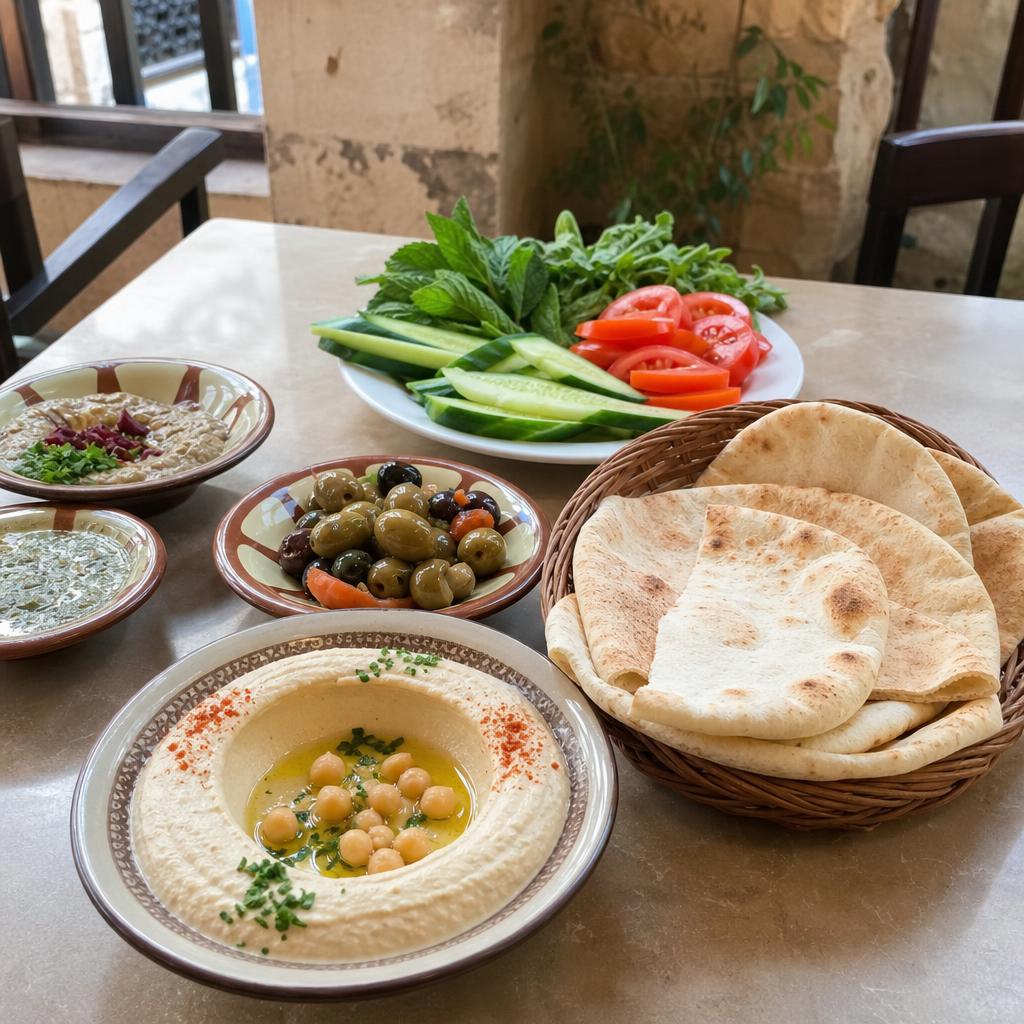
Jordan offers plenty of ways to eat at different price levels. Street snacks, bakeries, falafel shops, grills, family restaurants, hotel buffets, cafés, and destination restaurants can all fit into the same trip. Your food budget will depend less on whether you eat “local” and more on where, how often, and how much you choose convenience options around major sights.
A budget-conscious approach might combine a hotel breakfast with bakery items, falafel sandwiches, hummus, grilled meats, rice dishes, salads, and simple evening meals. Fresh juices, desserts, coffee, and bottled water are individually modest purchases but can noticeably increase daily spending if bought repeatedly at visitor-heavy locations.
Mid-range travellers often alternate casual meals with sit-down restaurants, seek out regional dishes, and allow for café stops. This offers a good balance between trying local food and keeping a predictable daily spend. In Amman especially, it is worth setting aside time for a proper meal rather than eating only between attractions.
Comfortable travellers may include hotel dining, destination restaurants, seafood in Aqaba, and resort meals at the Dead Sea. These are worthwhile choices when they genuinely improve the experience, but they can become expensive if chosen by default at every stop.
A few practical saving habits help across all budgets:
- Use a refillable bottle where safe refill options are available, while following local advice on drinking water.
- Keep snacks for long road days, especially when travelling between remote areas.
- Check whether breakfast is included and whether it is substantial enough to replace a separate morning meal.
- Ask before ordering if a restaurant has unclear pricing, a service charge, or special menu items.
- Carry small notes for small purchases and tips, while using cards where accepted and appropriate.
Alcohol, imported products, resort dining, and hotel minibar purchases can raise costs quickly. If these are important to your trip, make them an explicit budget line rather than treating them as incidental spending.
Attractions, Entry Fees, and the Jordan Pass
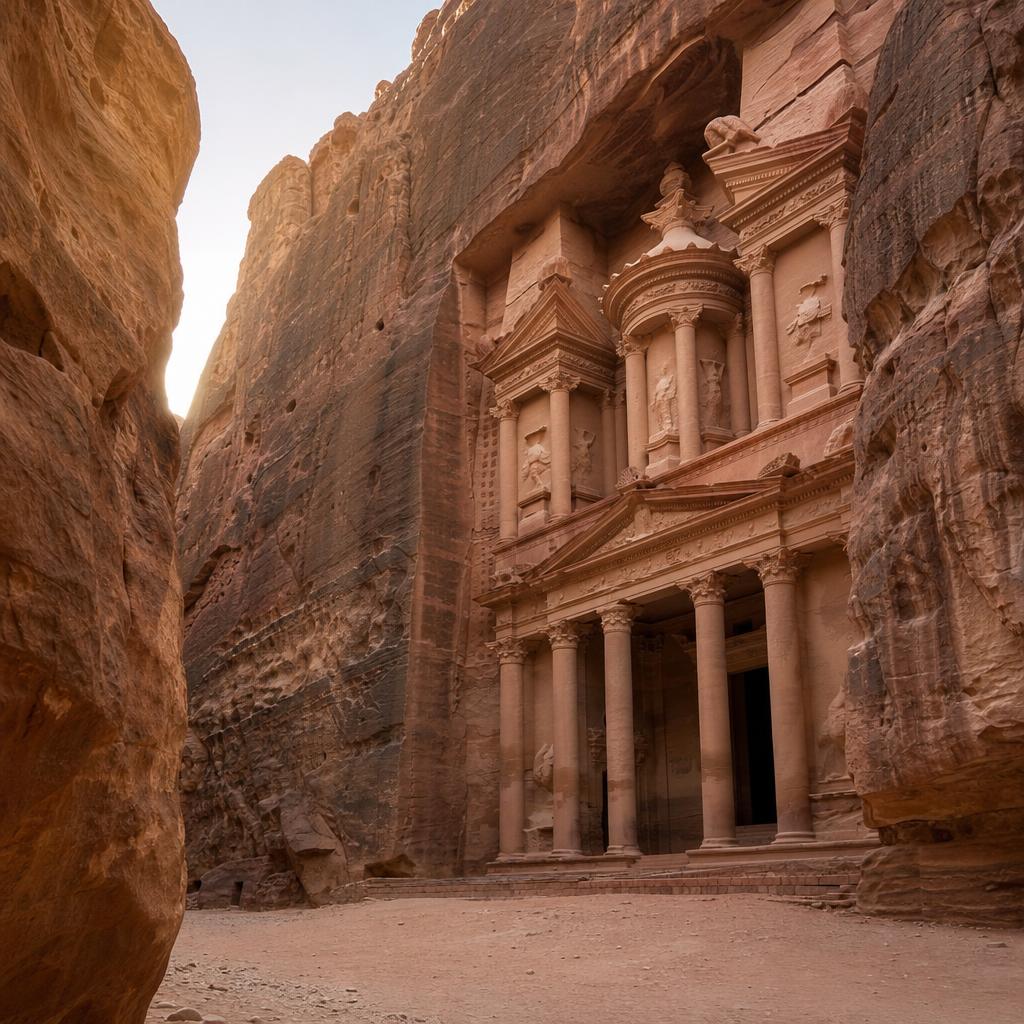
Attraction spending depends heavily on the route. Petra is often the largest single sightseeing expense, but a fuller itinerary can add Jerash, castles, museums, nature reserves, religious sites, and beach or marine activities. Some locations have formal entry systems, while others may involve local guides, transport arrangements, or community-managed services.
Do not assume that all attractions operate on the same rules. Ticket types, opening arrangements, photography policies, guide requirements, and access conditions can change. Check official attraction websites or authorised visitor information close to travel, particularly for Petra, protected areas, museums, and any place you plan to visit on a specific date.
Assessing the Jordan Pass
The Jordan Pass is often worth researching for visitors whose itinerary includes multiple participating attractions. Whether it represents good value depends on the current pass conditions, your nationality and entry circumstances, the length of your stay, which sites you will actually visit, and whether you are eligible for any linked entry-related benefits under the pass’s current terms.
Do not buy it simply because it is widely recommended online. First list the sites you genuinely expect to enter. Then compare the official current pass options with buying individual tickets. Check the official Jordan Pass information for current prices, participating sites, validity, requirements, exclusions, and any conditions related to entry procedures. Policies can change, so information from older blogs and social posts may be misleading.
The pass is most useful when it matches a realistic sightseeing plan. It is less useful when an overambitious itinerary leaves no time for the included sites. A traveller spending two full days at Petra and one day at the Dead Sea may have different needs from someone moving through Amman, Jerash, Madaba, Mount Nebo, Kerak, Petra, Wadi Rum, and Aqaba.
Budget for Experiences Separately
Experiences are not interchangeable with entrance tickets. Wadi Rum jeep excursions, camel rides, hiking, diving, snorkelling, cooking activities, guided walks, and Dead Sea resort access can each have their own arrangements. Prices vary by operator, group size, duration, equipment, season, and inclusions.
Confirm what is included before committing. For example, ask whether transport to a starting point, meals, equipment, guide services, park fees, insurance arrangements, or overnight accommodation are part of the quoted activity. If you book an itinerary such as the 2-day Dead Sea and Petra experience, review its specific itinerary and inclusions rather than assuming that all optional services at each destination are covered.
Transport: Build the Route Around Time as Well as Money
Transport is where a cheap-looking Jordan trip can become inconvenient. This guide to getting around Jordan compares the main transport choices by route and travel style. The country is manageable in size, but journeys are shaped by road routes, terrain, pickup points, public transport availability, luggage, arrival times, and the need to reach places such as Petra or Wadi Rum at sensible hours.
Public and Shared Transport
Public buses, minibuses, shared taxis, and local taxis can reduce transport costs, especially between well-connected cities. They may suit flexible travellers who are comfortable adapting to local timing and do not need to fit several attractions into a single day. However, services may not align neatly with every tourist route, particularly for rural areas, early departures, late arrivals, and multi-stop days.
When using local transport, build in extra time. Ask locally about the most current departure point, payment method, and luggage practice. Do not plan a tightly timed attraction visit around an unconfirmed connection. It is also sensible to have a backup plan for the last leg from a bus stop to your hotel or camp meeting point.
Rental Cars
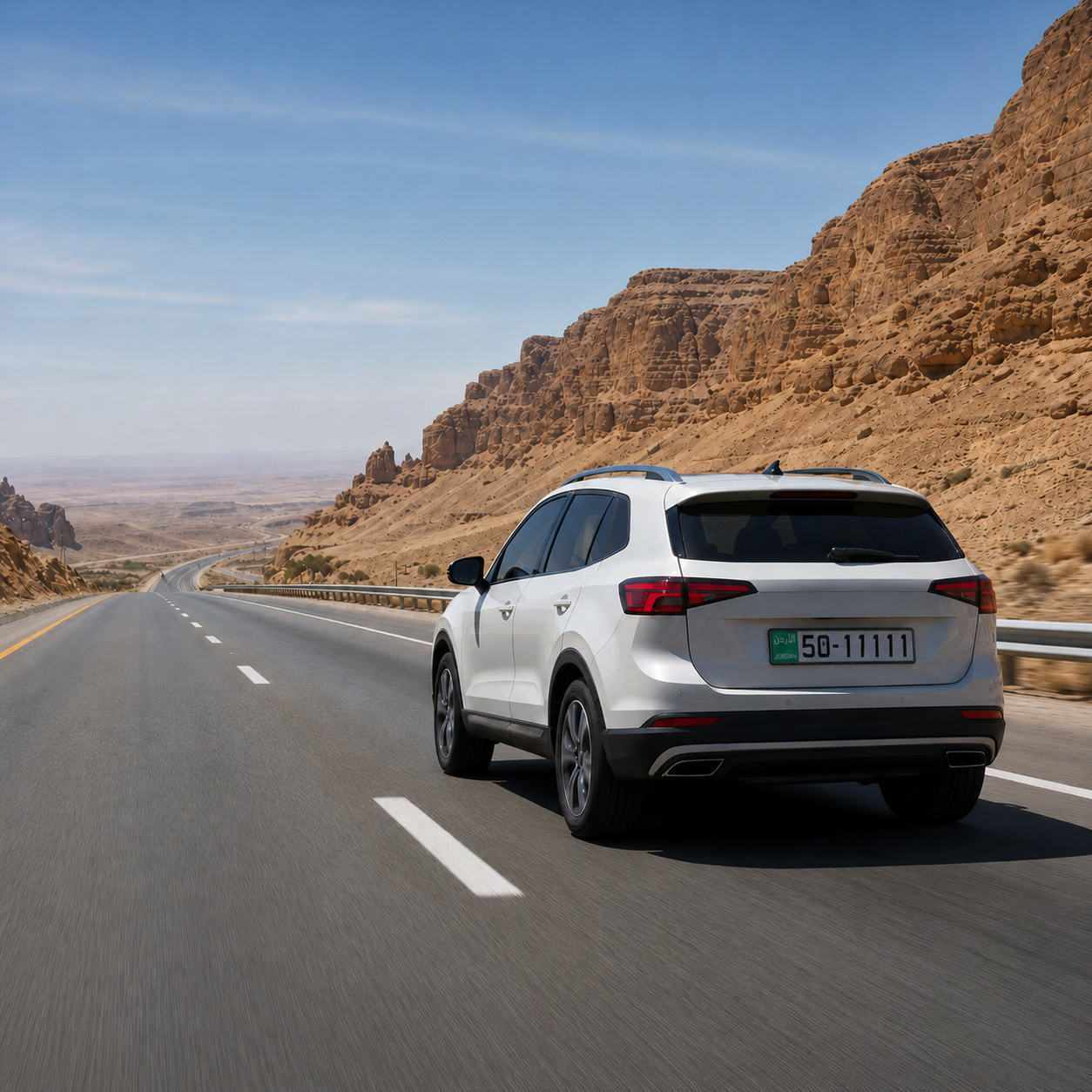
A rental car can offer independence for travellers comfortable with driving in Jordan and handling parking, navigation, fuel, road conditions, and local driving practices. It may work well for couples, families, or small groups sharing costs, particularly on a route with multiple stops. Before reserving, check the rental company’s current terms, insurance options, deposit requirements, mileage policy, cross-border restrictions, and any relevant licence requirements.
Rental costs are not just the daily vehicle rate. Include fuel, parking, insurance, hotel parking, potential one-way charges, and the time involved in collecting and returning the vehicle. A car can be excellent value for the right route, but it may be unnecessary for a city-based stay in Amman.
Private Driver and Transfer Planning
For travellers who value a direct route, local knowledge, luggage assistance, or flexibility for scenic stops, a private driver can be a practical transport choice. It is especially useful when connecting several destinations in a limited number of days, travelling as a small group, or arriving on a late flight.
For a clear explanation of the variables that affect vehicle and route quotations, see this guide to private driver costs in Jordan. Costs can depend on distance, number of travel days, vehicle type, passenger numbers, waiting time, route complexity, and any requested stops. Request a current quote for your exact itinerary rather than relying on a generic estimate.
If this style of travel suits your plans, review the options for a private driver in Jordan and provide your dates, group size, luggage needs, hotel locations, and preferred route. Clear information helps create a transport plan that is realistic rather than rushed.
Airport transport deserves its own line in the budget. A late-night arrival, a family with luggage, or a first night in a different city can make a pre-arranged transfer particularly useful. For route-specific planning, consult private airport transfers from Amman. Confirm current pickup details, waiting arrangements, and the exact destination before travel.
Mobile Data, Payments, and Everyday Essentials
SIM and data costs are generally modest compared with flights or accommodation, but reliable connectivity can save money and stress. Mobile data helps with navigation, hotel communication, translation, ride coordination, banking alerts, and confirming meeting points. Options may include local SIM cards, eSIMs, or international roaming packages, depending on your device and provider.
Compare current coverage, data allowances, validity periods, hotspot rules, and activation requirements before choosing. Airport kiosks can be convenient, while city shops may offer different options; the best choice depends on your arrival time and how quickly you need connectivity. Download offline maps and keep key hotel addresses saved before landing in case you have no immediate data service.
Carry a mix of payment methods. Cards are widely useful in many hotels, larger restaurants, shops, and visitor-oriented businesses, but cash remains helpful for small purchases, taxis, tips, and places where card acceptance is limited. Tell your bank you are travelling if required, understand foreign transaction fees, and keep a backup card separately from your main wallet.
Also budget for small but real essentials:
- Water, sunscreen, lip balm, and sun protection
- Layers for cool evenings, especially in desert or highland areas
- Laundry on longer trips
- Pharmacy items and personal supplies
- Luggage storage or hotel day-use needs
- Tips for service where appropriate
- Unexpected taxi rides, route changes, or weather-related adjustments
Shopping and Souvenirs: Set a Limit Before You Browse
Shopping can be a meaningful part of a Jordan trip, whether you are interested in spices, sweets, olive-oil products, handicrafts, textiles, ceramics, jewellery, or local art. It can also become an unplanned budget drain, particularly in highly visited areas where travellers feel pressure to buy quickly.
Set a souvenir allowance before the trip and leave room in your luggage. If you are buying fragile, edible, or high-value items, ask about packing, shipping, customs restrictions, and authenticity. Be especially cautious with anything presented as antique or culturally significant; export rules and legality matter, and claims should be independently verified.
Shopping with intention usually creates better memories than collecting inexpensive items at every stop. Choose one or two things you genuinely value, compare quality between shops, and do not feel obliged to purchase because someone has offered tea, shown you an item, or spent time explaining it.
Budget by Travel Style
The following profiles are not fixed price bands. They are planning models that show where Jordan travel costs tend to go for different priorities.
Budget-Focused Traveller
A budget-focused itinerary usually centres on simple accommodation, local meals, public or shared transport where workable, and a limited number of paid experiences. This traveller may stay in fewer destinations, travel slowly, carry snacks, and choose free walks or neighbourhood exploration alongside major paid attractions.
The key risk is underestimating logistics. Reaching Petra, Wadi Rum, or the Dead Sea cheaply may require more time, flexible dates, and compromises on timing. Budget travellers should protect a contingency fund for the occasions when a taxi, transfer, or last-minute room is the safer or more practical choice.
Mid-Range Traveller
A mid-range traveller commonly combines private hotel rooms, varied dining, selected paid activities, and a transport plan that reduces uncertainty. This style is ideal for travellers who want to see several major destinations without turning every transfer into a puzzle.
Spending is often directed toward comfort where it matters most: a good location in Wadi Musa, a convenient arrival transfer, an overnight Wadi Rum experience with clearly stated inclusions, or a driver for a multi-stop day. Savings still come from avoiding unnecessary hotel upgrades, limiting resort meals, and booking a route that does not double back.
A route such as the 4-day Petra, Wadi Rum, Aqaba and Dead Sea experience can help illustrate how several signature destinations fit together. As with any arranged itinerary, verify current availability, timings, accommodation category, activities, meals, and exclusions directly before booking.
Comfortable Traveller
A comfortable style emphasises convenience, spacious accommodation, carefully timed transfers, destination hotels or resorts, and more tailored activities. The premium is often less about luxury for its own sake and more about time: fewer transport uncertainties, better recovery after long sightseeing days, and the ability to pause at viewpoints or cultural sites along the route.
For this traveller, the best savings are strategic rather than restrictive. Book the room category you will enjoy, but avoid paying for facilities you will not use. Choose a private transfer on travel-intensive days, but spend an extra night in Amman or Aqaba if it prevents an exhausting sequence of check-ins. Reserve higher spending for the parts of Jordan that matter personally.
Practical Ways to Keep the Total Under Control
The most effective savings in Jordan usually come from planning decisions made before arrival, not from denying yourself every coffee or souvenir once there.
- Travel with a route that makes geographic sense. Avoid unnecessary returns to Amman between southern destinations.
- Compare the total cost of a room, including breakfast, location, taxes or fees where applicable, and transport required to reach sights.
- Book key accommodation and transport early for periods of high demand, while checking cancellation terms.
- Use the Jordan Pass only after checking current official conditions and comparing it with your actual site list.
- Distinguish included services from optional activities in every hotel, camp, transfer, or package booking.
- Share rooms and vehicle costs where appropriate, but do not overfill a vehicle beyond comfortable luggage capacity.
- Keep one flexible afternoon or morning in the itinerary. It can absorb delays without forcing expensive last-minute changes.
- Avoid planning every meal at hotels, resorts, or tourist-zone restaurants.
- Carry a contingency reserve for health needs, weather changes, a missed connection, or an additional night.
A Better Way to Calculate Your Jordan Budget
Create a simple trip spreadsheet or notes page with fixed costs and daily costs separated. Fixed costs include flights, insurance, key transfers, accommodation deposits, pass purchases, and pre-booked activities. Daily costs include meals, local transport, drinks, shopping, tips, and spontaneous visits.
For each day, write down the overnight destination, how you will get there, the main attraction, expected meals, and whether you need data or cash. This exposes gaps quickly. A day that starts in Amman, includes Jerash, ends in Petra, and requires dinner after check-in may be possible only with a transport plan that supports it. A route that looks efficient on a map may not be efficient in real travel time.
Finally, add a contingency amount that you do not intend to spend. Jordan rewards thoughtful planning, but flexibility remains valuable. Weather, energy levels, transport changes, and a desire to stay longer somewhere memorable can all reshape a trip. A realistic budget gives you room to make good decisions on the road rather than choosing solely by the cheapest immediate option.
Jordan can be explored on a careful budget, enjoyed comfortably in the middle range, or experienced with significant added convenience. The right total is not the lowest possible figure; it is the amount that lets you travel at a pace you can enjoy, see the places that matter to you, and handle the practical details with confidence.